How to read the landscape of family hotels in Japan
Japan rewards families who plan with precision and a bit of nerve. The country’s mix of traditional ryokan, compact city hotel options, and polished luxury hotels in Tokyo can feel overwhelming when you first start to check availability for a multi stop itinerary. For parents weighing nap schedules against train times, the key is understanding how rooms, onsen culture, and proximity to each station actually work for guests with kids.
Family accommodation in Japan sits on a spectrum from minimalist business hotels near Tokyo Station to expansive resorts with onsen baths and kids clubs in Hakone or Okinawa. When you search for family friendly places to stay in Japan, especially child friendly ryokan in Tokyo, you are really choosing between a Japanese inn with tatami rooms and futons, or a modern hotel in Tokyo with Western beds and connecting suites that suit babies, toddlers, and grandparents. Both styles can be genuinely family friendly, but the right stay will depend on your children’s ages, how much luggage you carry, and how comfortable you feel with shared baths and quiet corridors.
Data from the Japan Tourism Agency and regional surveys indicate tens of thousands of ryokan across the country, yet only a fraction actively court families with small children. According to the Japan Tourism Agency’s 2019 accommodation statistics, there were over 35,000 ryokan-style properties nationwide, but many traditional Japanese inns still expect silence in the corridors and limit access to onsen baths for kids below a certain age. By contrast, newer hot spring ryokan near major lines welcome young guests with plastic stools, baby bath seats, and early dinner sittings. When you evaluate hotels, always read policies on children, extra futons, and whether the front desk can provide cots or bed guards, because these details will shape how relaxed your stay feels.
Choosing a kid friendly ryokan: futons, tatami, and onsen etiquette
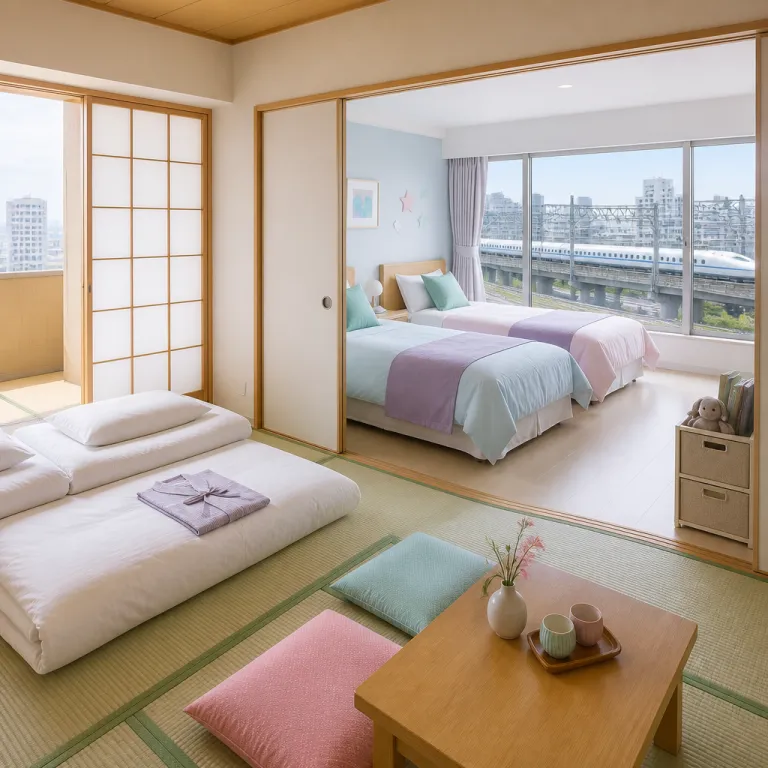
A ryokan stay can be the highlight of a family trip, but only if the property is genuinely kid friendly. A traditional Japanese inn usually offers tatami rooms, sliding doors, and futons laid out each evening, which can be ideal for a baby or toddlers who roll without the risk of falling from a high bed. When you filter for family oriented ryokan in Tokyo or Hakone, look for explicit mentions of small children policies, child sized yukata, and flexible meal times rather than vague promises of a family friendly welcome.
Parents often worry about onsen etiquette with kids, especially when baths are shared. One clear explanation is reassuring for first timers: “What is a ryokan? A traditional Japanese inn featuring tatami-matted rooms and communal baths.” That definition matters, because communal onsen baths mean you will guide children through washing rituals before they enter the water, and you must be ready to leave quickly if babies or toddlers become noisy in the quiet steam.
Some ryokan offer a private onsen or even several rooms with attached open air tubs, which can transform the experience for families. Properties such as Hakone Kowakien Ten-yu, which provides private open air baths in selected rooms and welcomes children with age specific bath guidelines, or Hotel Green Plaza Hakone, which offers family rooms and clearly stated policies on mixed gender family bathing in private spaces, show how thoughtful design supports parents. In Kyoto, ryokan like Ryokan Izuyasu combine tatami rooms with optional private bath slots that can be reserved in advance. Before you book, use a simple checklist: confirm age limits for communal baths, ask the front desk how to reserve private onsen time, and request a list of baby amenities such as bath seats, step stools, and bed guards so you know what to pack and what the property will provide.
Tokyo’s luxury hotels with connecting suites and Shinkansen access
Tokyo can feel intense with kids, yet the right hotel Tokyo base turns the city into an easy playground. Luxury hotels near Tokyo Station or in central districts offer connecting rooms, deep baths, and thoughtful children’s amenities that justify their rates for families. When you search for family accommodation in Japan that balances traditional ryokan stays with city comfort, include central luxury hotels in your shortlist, because a seamless urban stay can balance more traditional nights in a Japanese inn elsewhere.
The Peninsula Tokyo, overlooking the Imperial Palace Gardens, is a benchmark for family friendly service in the capital. Its connecting suites create generous rooms private enough for bedtime routines, while the front desk can arrange baby cots, bottle warmers, and child sized slippers that make young guests feel expected rather than tolerated. Janu Tokyo, with views of Tokyo Tower, also offers connecting configurations that work for older children who want their own room but still stay within a few steps of parents.
Location matters as much as layout. A hotel directly opposite Tokyo Station cuts transfer stress after a long flight, and a property within a five minute walk of a major subway station means you will push a stroller less and ride escalators more. When you check availability, study walking distances in metres, not just neighbourhood names, and ask whether the hotel offers free luggage forwarding to the next stop on your Shinkansen route. For inspiration on how high end city properties can still feel intimate with kids, compare these Tokyo stays with elegant family hotel experiences in North America, such as the curated Ontario family hotel escapes that balance design, space, and service.
Designing a multi city itinerary: Shinkansen views and onsen towns
Once your first hotel in Tokyo is secured, the real pleasure lies in stitching together a route that feels ambitious yet calm. Japan’s Shinkansen network allows families to glide between cities at high speed, but your choice of stations and hotels will determine whether the journey feels like a game or a slog. Many sample itineraries for families follow a simple arc: Tokyo, an onsen town such as Hakone, then Kyoto or Osaka.
Children often love trains as much as temples, so consider at least one hotel where rooms overlook the tracks. Some hotels near major hubs like Tokyo Station or Kyoto Station offer rooms private enough that kids can press noses to the glass and watch Shinkansen glide in, while parents sip tea in a Japanese style seating area. When you check availability, ask explicitly for a room with train views, since not all rooms in the same category share the same outlook.
Onsen towns add a different rhythm. A stay at a refined onsen ryokan in Hakone, for example, might include tatami rooms, kaiseki dinners, and open air onsen baths framed by cedar or mountain views. Properties such as Gora Kadan, known for traditional Japanese accommodations with futons and views of the surrounding hills, show how a ryokan offers immersion without sacrificing comfort, though you must confirm policies for small children and whether any private open baths are suitable for mixed family use. When planning similar elevated family escapes, you can borrow strategies from other urban resort combinations, like pairing a capital city stay with a countryside retreat as outlined in elegant Ontario family staycations, then adapt the pattern to Japan’s rail connected regions.
What luxury really buys you with kids in Japan
Luxury in Japan is not only about thread counts and skyline views; it is about how invisible details reduce friction for families. A higher room rate in a central hotel Tokyo property often buys a larger room, a deeper bath, and a front desk team who will anticipate needs before you articulate them. For parents comparing family friendly hotels and child welcoming ryokan in Tokyo, that can mean a crib already set up, child sized toothbrushes laid out, and a staff member ready to walk you to the nearest station entrance with an elevator.
Budget reality still matters. A traditional Japanese inn with half board in an onsen town can cost as much as a luxury hotel in central Tokyo, especially when you add extra futons for older children and pay for private onsen slots. Western style hotels sometimes offer free stays for babies and toddlers sharing existing beds, while ryokan more often charge per guest, so a family friendly rate can shift quickly as kids grow.
When you compare options, think in terms of value per hour of ease. A compact but well designed Japanese style room near Tokyo Station, with a five minute walk to the Shinkansen platforms, might save you an hour of transfers each travel day. A ryokan that includes early children’s dinners, flexible breakfast times, and clear guidance on onsen etiquette for small children will feel more luxurious in practice than a grand lobby where you constantly hush your kids. For broader context on how thoughtful service transforms family travel, look at other curated city guides such as elegant Washington DC family hotels, then apply the same lens of practicality and warmth when you read Japanese hotel descriptions.
Practical details: breakfast, baths, and language with children
The small rituals of each day will shape how your family remembers Japan. Breakfast is often where expectations collide with reality, especially when younger guests crave cereal and toast while adults want miso soup and grilled fish. Many hotel options in Tokyo now offer both Western and Japanese breakfast spreads, but some ryokan still serve only traditional Japanese morning meals, so you should check availability of Western items if you have picky eaters.
Bathing routines require the most adjustment. In a Japanese inn or onsen ryokan, you will usually find a compact unit bath in your room for quick showers, plus access to larger communal onsen baths that follow strict washing rules. Parents should rehearse the sequence with kids before entering: undress, wash thoroughly while seated, then enter the onsen only once clean, keeping in mind that babies and toddlers may be restricted from very hot pools for safety.
Language barriers are often less daunting than families fear. Staff at major hotels in Tokyo and popular onsen towns usually speak functional English, and the front desk will often provide printed cards with directions to playgrounds, pharmacies, or child friendly restaurants. When you book family accommodation in Japan, especially kid friendly ryokan in Tokyo, email ahead with specific questions about strollers, high chairs, and whether the hotel offers free amenities such as baby baths or bed guards, because clear answers will help you pack lighter and move more confidently through each station and city.
How to evaluate real family friendliness before you book
Marketing language around family friendly stays can be slippery, so you need a sharper filter. When you scan listings for family hotels and ryokan in Japan, look beyond generic phrases and focus on concrete details such as room size in square metres, maximum occupancy, and whether rooms private enough for naps are available away from elevators. A hotel that simply notes “children welcome” without specifying amenities rarely matches the ease of a property that lists baby cots, toddler step stools, and child sized yukata by age.
Reviews and photos help, but you should also read between the lines of policies. If a ryokan offers discounted rates for children under a certain age, provides early dinner sittings, and explains how families can reserve a private open onsen slot, it is signalling that kids are part of the expected guest mix. By contrast, strict rules about noise, limited meal flexibility, and no mention of small children often indicate a quieter, more adult focused environment, even if babies and toddlers are technically allowed.
Before you commit, send a short, specific email to the front desk. Ask whether the hotel will guarantee connecting rooms, how far the property sits from the nearest station in minutes of walk time, and whether any free amenities are available for a baby such as a steriliser or baby bath. The clarity and warmth of the reply will tell you almost as much as the glossy photos, and it is this combination of precise information and intuitive hospitality that turns a good Japanese style stay into a trip your family will talk about for years.
Key figures for family stays in Japan
- Japan hosts many thousands of ryokan establishments nationwide, according to the Japan Tourism Agency and prefectural tourism offices, which means families must carefully filter for genuinely kid friendly properties within a very large pool. The Japan Tourism Agency’s 2019 “Survey of Accommodation Facilities” counted more than 35,000 traditional inn–type properties across the country.
- The average business hotel room size in central Tokyo is often around 15–20 square metres, based on Tokyo Metropolitan Government tourism materials and sample floor plans published in 2020, so connecting rooms or suites frequently provide better value for families than a single cramped room.
- Mount Fuji and its surrounding region attract several hundred thousand climbers and many more sightseers each year, according to local conservation groups and Yamanashi and Shizuoka tourism data; for example, official figures for 2018 recorded roughly 236,000 climbers on the main routes, which helps explain why nearby onsen towns such as Hakone see strong demand for family friendly ryokan with mountain views.
- Japan’s inbound tourism exceeded 31 million visitors in 2019, according to the Japan National Tourism Organization, with family travel identified by tourism boards as one of the fastest growing segments, pushing hotels and ryokan to refine their offerings for children and multi generational groups.
FAQ about family hotels and ryokan stays in Japan
What is a ryokan, and is it suitable for children ?
A ryokan is a traditional Japanese inn featuring tatami floors, sliding doors, and usually communal onsen baths. Many ryokan welcome families, but policies for small children and babies or toddlers vary widely, so you should check availability of child amenities and any age limits on baths before booking. Look for properties that explicitly mention kids, offer private onsen options, and provide flexible meal times.
Are futons comfortable for adults and kids ?
One verified answer states: “Are futons comfortable for sleeping? Yes, many find futons comfortable; they offer firm support and are traditional in Japan.” For families, futons laid directly on tatami can be safer for toddlers who roll at night, and they allow flexible layouts when you need to fit several children into one room. If you prefer Western beds, focus on hotel options in Tokyo and larger cities, or choose hybrid properties that offer both bed types.
Do Tokyo hotels offer connecting suites for families ?
Yes, several luxury hotels in Tokyo provide connecting suites suitable for families, including properties such as The Peninsula Tokyo and Janu Tokyo. These hotels often combine generous rooms private enough for naps with thoughtful amenities like baby cots, children’s toiletries, and early check in when availability allows. When you book, request specific configurations and written confirmation from the front desk to ensure your connecting doors are guaranteed.
How can I manage onsen etiquette with young children ?
Onsen etiquette centres on cleanliness and quiet. You must wash thoroughly before entering any onsen baths, keep towels out of the water, and ensure children behave calmly so other guests can relax. Families who prefer more flexibility should prioritise ryokan that offer a private onsen or private open air baths, where babies and toddlers can splash more freely without disturbing others.
Should I base my family in Tokyo or split time with an onsen town ?
For a first trip, a mix works best: start with a hotel Tokyo stay near a major station for easy sightseeing, then add two or three nights at an onsen ryokan in a place like Hakone or near Mount Fuji. The Shinkansen makes these transfers efficient, and the contrast between neon cityscapes and quiet Japanese style baths keeps kids engaged. Always check availability early for both city hotels and ryokan, especially during school holidays, because the most family friendly rooms sell out quickly.