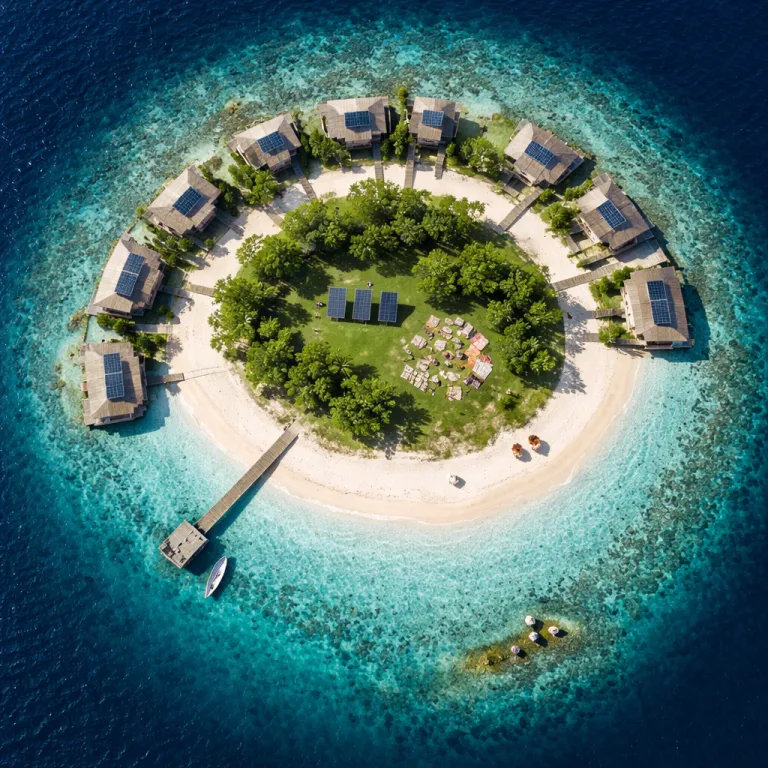
Why the Maldives leads the way in eco luxury for families
The Maldives has become the reference point for any eco conscious family holiday in the islands. On a single sandbank you can move from solar assisted overwater villas to a kids club where children learn about coral reefs, and the whole stay still feels effortlessly indulgent rather than worthy. For solo explorers planning a future trip with nieces, nephews or friends’ kids, this is where you see how sustainability and comfort can genuinely coexist.
Across the archipelago, resorts offer a quiet revolution in invisible infrastructure that matters to families. Kudadoo Maldives Private Island, for example, was designed with a 320 kWp solar system that can meet close to all daytime electricity demand according to the resort’s own sustainability reports, while Hurawalhi Island Resort and The Standard, Huruvalhi Maldives integrate extensive photovoltaic arrays into their roofs and walkways without compromising a single beach view. This is what solar powered luxury looks like for parents and children: the air conditioning hums, the pool sparkles, and yet your kids are sleeping under roofs that generate a substantial share of their own energy.
Many of the best family properties in the wider Maldives hotel landscape now treat sustainability as a core part of the guest experience. Sirru Fen Fushi, for example, pairs a refined spa with coral conservation projects that older kids can join between water sports sessions, including guided visits to its coral nursery structures and simple reef monitoring activities. When you compare a stay at a responsible island retreat here with a conventional resort elsewhere in the Indian Ocean, the difference is stark: marine life protection is not a brochure footnote but a daily activity.
For families and solo travelers alike, this model changes how you think about value. A night in solar powered villas on private islands costs more, yet you are paying for reduced impact as well as a flawless family getaway. If you are used to elegant city properties with spacious family suites, such as the centrally located hotels in Perth reviewed on kid friendly stay, the Maldives shows how that same attention to detail can extend to energy use, waste and community partnerships, from on site glass bottling plants to staff training programmes in marine biology.
From iPads to reef fish: how kids’ clubs become marine labs
At the most forward thinking Maldivian family resorts, the kids club is not a padded room with screens. Instead, it becomes a laboratory where children learn to identify reef fish, understand tides and see how coral reefs respond to warming water. Six Senses Laamu and Sirru Fen Fushi both work with resident marine biologists who step out of the research office and into the sand with kids, often running small group sessions with ratios of around one educator to every four to six children.
Parents who care about meaningful education during a family holiday will notice the difference immediately. Rather than a generic family friendly programme, these clubs introduce children to marine life through guided snorkels, plankton viewing and simple data collection. That means your kids return from the pool not only sun kissed but able to explain why the Baa Atoll and Landaa Giraavaru areas are so critical for manta rays, drawing on long running identification projects that have catalogued thousands of individual animals since the late 2000s.
Soneva Fushi takes this further with The Den, a vast play space of more than 1,300 square metres that includes a pirate ship, Lego room and a chocolate factory, yet still weaves environmental education into the fun. Children might spend the morning building sand sculptures of villas on stilts, then head out with staff to see how water sports can be run with minimal impact on nearby coral reefs, or help record sightings of turtles and reef sharks on simple log sheets. For solo explorers who value authentic experiences, this is the kind of Maldivian family model that respects curiosity rather than pacifying it.
If you want more ideas on conservation focused stays beyond the Indian Ocean, look at the eco resorts that teach children about conservation without the lecture on kid friendly stay. The same philosophy applies in the Maldives: resorts offer structured activities where kids help with beach cleanups, turtle monitoring or simple reef checks, sometimes contributing to databases that track hundreds of nesting events each year. In a market where many hotels across the country still rely on iPads in a corner, these programmes justify the premium and anchor the promise of a sustainable family escape in real learning.
Local grandmothers, goats and the human side of childcare
One of the quiet luxuries at a Maldivian eco minded family property is the calibre of childcare. Instead of anonymous agency staff, many islands now employ local women, often grandmothers, who bring cultural context and deep patience to babysitting. For a solo explorer travelling with extended family, that human connection can be as reassuring as any infinity pool.
These local caregivers turn a standard kids club into a cultural bridge. Story time might involve Maldivian folktales about the sea, told in shaded pavilions while kids snack on fresh coconut rather than packaged sweets. On some islands, small petting areas with goats or chickens allow children to understand traditional atoll life, which makes the resort feel less like a bubble and more like a living island.
From a sustainability perspective, this model keeps wages within the community and strengthens the social fabric that underpins eco initiatives. When your babysitter’s cousin works on the coral restoration team, conversations about marine life and responsible water sports flow naturally, and children hear first hand how local staff have seen reefs change over the last decade. It is a reminder that a Maldives family holiday is not only about villas and spas but about people whose lives are intertwined with the lagoon.
For travelers used to polished but impersonal service in large coastal properties, such as some elegant family friendly hotels in Fort Lauderdale, this Maldivian approach feels refreshingly grounded. You still have the option of a late night at the bar or a quiet beach walk, knowing your kids are with someone who treats them like extended family. That blend of emotional safety and high end comfort is a defining feature of the best family stays on these private islands.
What solar powered comfort really feels like on the island
Solar panels are now part of the skyline at many family focused island retreats, yet you rarely notice them once you arrive. At Kudadoo Maldives Private Island, a large solar array with more than 900 panels generates enough power for air conditioned villas, chilled wine cellars and a serene spa without diesel generators humming in the background, according to the resort’s published sustainability data. Hurawalhi Island Resort uses thousands of panels that double as striking architectural features, shading walkways while feeding clean energy back into the resort’s systems.
The Standard, Huruvalhi Maldives adds significant solar capacity of its own, showing how even playful brands can commit to serious infrastructure. For families, the benefit is simple: you enjoy the best familiar comforts, from a generous pool to reliable hot water, while knowing your stay contributes less to the climate pressures that threaten the very beach you are sitting on. This is sustainability without sacrifice, and children absorb that message intuitively when they see panels glinting above their water villas or learn that a meaningful portion of the resort’s electricity now comes from the sun.
Resorts across the Maldives pair these systems with waste recycling, desalination and careful water management. Many islands now operate glass bottling plants, composting programmes and partnerships with local artisans who supply furnishings, which keeps both emissions and imports down. The result is a quieter island, where the loudest sound at night is the Indian Ocean rather than a generator, and where staff can point to concrete reductions in diesel use over the last few years.
For solo explorers planning a future family getaway, it helps to compare this with more conventional coastal stays, such as elegant centrally located Perth hotels with spacious family suites reviewed on kid friendly stay. In the Maldives, the same level of polish is layered over infrastructure that actively reduces impact. When you choose a resort that invests in solar power and conservation, you are effectively voting for this model of hospitality with every night you book, encouraging further investment in renewables and reef protection.
Costs, logistics and how to book smart with kids
Planning a responsible family trip to the Maldives means facing two realities: the experience is extraordinary, and it is expensive. A week for a small family in solar assisted villas with a private pool on one of the better known private islands can easily reach five figures in euros once seaplane transfers and taxes are included. That price reflects not only luxury but the genuine cost of running a low impact resort in the middle of the Indian Ocean, where almost every ingredient, staff member and piece of equipment arrives by boat or plane.
Logistics matter just as much as budget when you travel with kids. Seaplane transfers can be thrilling for older children but overwhelming for toddlers, so consider resorts in the Baa Atoll or near Malé that offer speedboat options, often taking 20 to 60 minutes instead of a 30 to 45 minute flight. Check availability carefully for medical facilities on each island, ask about on site clinics and evacuation procedures, and pay attention to shade, hydration and sun protection, especially for a first family holiday in the tropics.
When you start to book, use tools like Expedia thoughtfully rather than blindly chasing the lowest rate. Many families will search hotels Maldives wide on Expedia, then contact the resort directly to confirm which villas are genuinely family friendly and how inclusive the meal plans are. Always use the check availability function to compare packages that include water sports, kids club access and spa credits, because these bundled offers can significantly change the value of each night and clarify what is covered for children of different ages.
Some properties, such as Emerald Maldives or Niyama Private Islands, structure their inclusive plans so that families can relax about extras like non motorised water sports and simple kids club activities. Others, including Soneva Fushi and Four Seasons Landaa Giraavaru, lean into ultra bespoke stays where every detail is tailored but priced accordingly. Whichever you choose, remember that “Which Maldives resorts are fully solar-powered?” and “What sustainable practices are common in Maldives resorts?” are not abstract questions; statements such as “Kudadoo Maldives Private Island is designed to operate primarily on solar power according to resort data” and “Use of solar energy, waste recycling, and coral conservation are now standard at many high end islands” directly shape the experience your kids will remember.
FAQ
Which Maldives eco resorts work best for families with young kids ?
Resorts such as Soneva Fushi, Six Senses Laamu, Emerald Maldives and Niyama Private Islands are consistently strong for families with young kids. They combine shallow beach entries, engaging kids clubs and thoughtful villa layouts with sustainability measures like solar power and coral restoration. When choosing, prioritise short transfer times, on site medical support and shaded play areas, and ask about minimum age policies for snorkelling or kids club sessions.
How family friendly are seaplane transfers in the Maldives ?
Seaplane transfers are generally safe and well organised, but they can be noisy and hot during boarding. Families with toddlers or sensitive children may prefer resorts reachable by speedboat, especially after a long international flight. If you do take a seaplane, pack ear protection, snacks and a light layer in case the cabin air conditioning feels strong, and be prepared for possible waiting times at the seaplane terminal.
Can kids safely snorkel around Maldives coral reefs ?
Children can snorkel safely around many Maldives coral reefs when conditions are calm and supervision is close. Eco focused resorts usually provide buoyancy vests, briefings on currents and guidance on how not to touch coral or marine life. Start with shallow house reefs at high tide, and always follow the advice of the resort’s marine biologists, who can recommend sheltered entry points and suitable times of day.
Are all inclusive plans good value for a Maldives family holiday ?
Inclusive plans can offer strong value for families who use most inclusions, such as meals, non motorised water sports and kids club access. They reduce bill shock at checkout and make it easier to relax about snacks and drinks for hungry children. However, if your family eats lightly or plans many off schedule activities, a more flexible half board option may be better, especially at resorts where à la carte dining and excursions are a highlight.
How can I make sure my Maldives stay supports local communities ?
Choose resorts that employ significant numbers of Maldivian staff, partner with local artisans and run community projects beyond the island. During your stay, join conservation activities, respect local customs on inhabited islands and ask how your visit contributes to training or education programmes. These questions signal to management that guests value genuine community engagement as part of luxury travel and encourage further investment in local hiring and skills development.