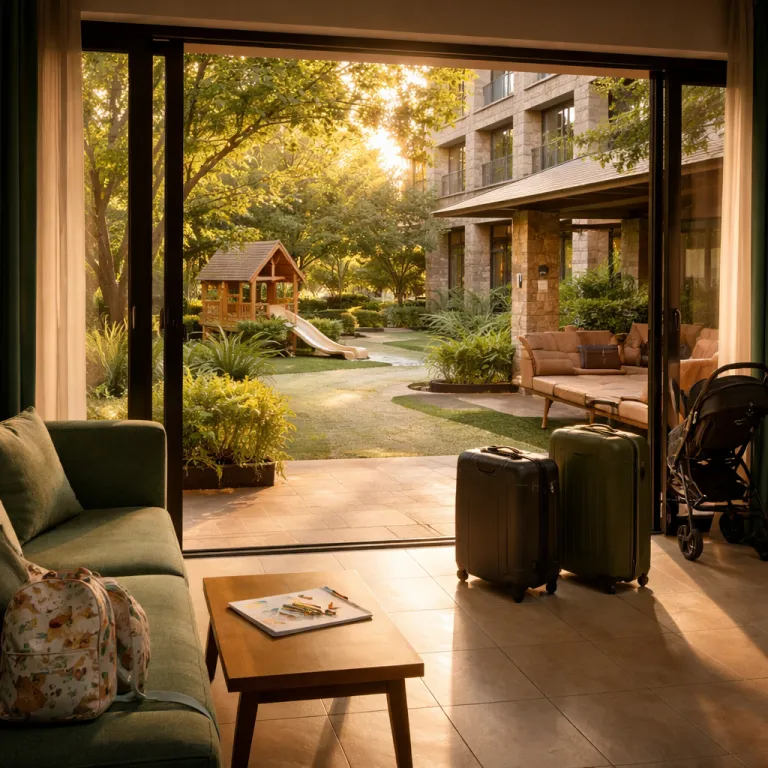
Bleisure family hotel business travel: why executives are bringing everyone along
Business travelers with children are quietly rewriting the rules of corporate travel. A growing number of executives now extend a standard business trip into a longer stay that blends work, family time and carefully planned leisure travel. This shift has created a distinct bleisure family hotel business travel segment where one property must satisfy the company travel policy and a six year old’s pool expectations in the same week.
For many travellers, the appeal is obvious yet nuanced. A company already funds the flights and several business trips each quarter, so adding personal travel days at the same hotel can transform a routine conference into a rare family holiday. In this context, bleisure travel is less about spontaneous work trips with a quick museum visit and more about deliberate business leisure planning that respects work life boundaries while maximising shared leisure time.
Hotels that understand this travel market are redesigning both hardware and service. They invest in rooms that pivot from focused work to relaxed family stay, with strong Wi Fi, generous desks and doors that actually close between sleeping areas. At the same time, they train every employee from front desk to housekeeping to anticipate the moment when a solo corporate travel guest becomes a bleisure travelers family host, often overnight.
Industry data now tracks bleisure trips as a separate behaviour rather than a side note of business travel. A 2023 Global Business Travel Association (GBTA) snapshot, for example, reported that more than a third of surveyed North American business travelers had added at least one leisure day to a recent work trip, and many extensions ran two to three nights. While exact percentages vary by study and methodology, most recent GBTA briefings point to a clear upward trend in blended itineraries. Executives in the 35 to 55 bracket, especially frequent business travelers, are driving demand for hotels that can handle both boardroom and bedtime stories without friction. For them, the right hotel will support intense work during conference days, then pivot smoothly into personal travel mode once families arrive for the leisure portion of the stay.
Hotel & Leisure Advisors note that bleisure travel is increasingly common among executives with families, and the most forward thinking hotels treat these guests as a core audience rather than an afterthought. Industry commentators at STR and Deloitte have both highlighted that blended business leisure stays can generate meaningfully higher total revenue per booking than a standard corporate stay, largely due to extra nights and on property spending, even though precise uplift figures differ by market and data set. In practice, that means recognising bleisure travellers at booking stage, not just at check in. It also means designing offers that respect corporate travel rules while still rewarding employees who choose to turn business trips into richer, more balanced experiences.
The logistics of the switch: from solo check in to family arrival
The most stressful moment in bleisure family hotel business travel is rarely the board presentation. It is the afternoon when a business trip quietly becomes a family trip, and the hotel either rises to the occasion or exposes every gap in its service design. For business travelers who have flown in ahead of their families, the transition from corporate stay to shared leisure travel needs to feel choreographed, not improvised at the front desk.
Smart hotels treat this switch as a defined phase in the guest journey. Before the trip even begins, the reservation team confirms how many days will be strictly work trips and when personal travel starts, then blocks rooms accordingly. When the family arrives, the employee should find that extra bedding is already in place, children’s amenities are laid out and the room layout suits both late night emails and early morning cartoons.
Properties that excel here think like operations managers, not just hosts. They brief every employee who will interact with the guest, from airport driver to concierge, so no one is surprised when travellers suddenly appear with strollers after two days of back to back meetings. They also coordinate with the company’s travel policy manager when necessary, ensuring that corporate travel rules cover the business travel portion while any leisure time extensions are clearly separated on the invoice.
From the family’s perspective, timing is everything. Children often arrive after several days of intense work for the parent, so the first hours together should feel like leisure, not more logistics. This is where hotels that understand the travel bleisure mindset shine, greeting bleisure travelers with small, personal touches such as a stocked mini fridge, age appropriate welcome gifts and a printed list of nearby playgrounds within 500 metres.
Accessibility and ease of movement matter just as much as smiles. Families juggling bleisure trips often include grandparents or children with specific needs, and properties that take inclusive design seriously stand out in the travel market. For a deeper look at how properties can close this gap, the analysis on accessibility in family travel shows why thoughtful layouts and clear communication are now non negotiable for any hotel that wants to win repeat business leisure stays.
The room question: negotiating a corporate room into a family base
Most conference hotels were built for brief business trips, not for a week of bleisure family hotel business travel with two children and a partner. Standard rooms often prioritise desk space over floor space, which works for solo work but fails the moment a cot and a rollaway bed enter the picture. The result is a cramped stay that undermines both leisure time and productivity.
Executives extending a business trip should treat the room as a strategic asset, not an afterthought. Before confirming, ask the hotel whether they can convert a corporate stay booking into a suite or connecting rooms once the family joins, and whether the company rate can be applied to at least part of the extended days. Many hotels, especially extended stay brands such as Embassy Suites, Staybridge Suites and Courtyard by Marriott, are used to this pattern and will work with both the employee and the company to find a balanced solution.
From a design perspective, the best rooms for bleisure travel separate work and sleep zones. A sliding door between living area and bedroom allows business travelers to take late calls while children sleep, preserving work life boundaries even during intense trips. Kitchens or kitchenettes, now common in many hotels that court long stays, turn a simple hotel room into a functional family apartment where personal travel feels less transient and more grounded.
When negotiating, be explicit about how many travellers will share the space and for how many days. Ask whether the hotel can pre stock the room with child friendly snacks, a step stool in the bathroom and extra towels, so the first evening feels like leisure travel rather than a supply run. Clarify Wi Fi capacity as well, because work trips that involve video calls can easily clash with streaming cartoons if the network is underpowered.
Properties that truly understand business leisure dynamics often publish clear guidelines on how corporate travel bookings can be extended into bleisure trips. They may even offer structured bleisure trip packages that bundle late checkout, laundry credits and kids’ club access for the weekend. For a thoughtful perspective on how family friendly should mean more than a cot in the corner, the piece on redefining family friendly hotels outlines what discerning bleisure travellers should now expect as standard.
Destinations that work: cities where boardrooms and playgrounds coexist
Not every city lends itself to bleisure family hotel business travel, no matter how polished the conference centre. The sweet spot is a destination where corporate travel infrastructure sits within easy reach of parks, museums and child friendly cafés, so a business trip can morph into a relaxed family stay without changing postcodes. European cities often excel here, with compact centres and reliable public transport that make short trips with children manageable.
Think of places where the company’s meetings cluster around a central business district, but family attractions lie within a 20 minute tram ride. In such cities, business travelers can finish work by late afternoon and still reclaim meaningful leisure time with their families, whether that means a riverside walk or a quick visit to a science museum. These destinations reward bleisure travelers who plan carefully, turning obligatory work trips into repeatable personal travel rituals.
For executives who crave sun after long days in windowless meeting rooms, island cities with strong air links can be ideal. A midweek corporate stay in a conference hotel can easily extend into a long weekend at a more resort oriented property, especially in destinations where taxis are regulated and transfer times are short. Guides such as this curated look at elegant family friendly island hotels show how one trip can satisfy both boardroom obligations and barefoot leisure travel in a single itinerary.
When choosing where to send employees, companies increasingly weigh the bleisure potential of a city. A destination that supports smooth bleisure trips can improve employee satisfaction and retention, especially among frequent travellers who value work life balance. In response, hotels in these cities now market themselves not only to the traditional travel market but also to bleisure travellers who expect both efficient work facilities and memorable leisure time experiences.
Families notice the difference immediately. Children arriving in a city where a parent already knows the hotel and neighbourhood feel anchored rather than overwhelmed, and the parent can guide them confidently from metro station to gelato stand. Over several business trips, this familiarity turns corporate travel into a shared family story, where each new stay adds another layer of personal travel memories to what began as a simple business trip.
Inside the hotel: services that make bleisure families feel expected
The most successful hotels in bleisure family hotel business travel do not simply tolerate children in the lobby. They design the entire stay so that a corporate guest can move from solo work to family host without friction, supported by staff who understand both sides of the equation. This requires more than a kids’ menu and a printer near reception.
Operationally, these hotels map the guest journey across all days of the stay, not just the official business trips. They ensure that meeting rooms, free Wi Fi and quiet zones support focused work during the corporate travel phase, while pools, playrooms and local partnerships create rich leisure travel options once families arrive. Every employee is trained to recognise when a guest’s profile shifts from business travelers to bleisure travelers, adjusting tone and recommendations accordingly.
Programming matters as much as physical space. Thoughtful properties schedule children’s activities during typical conference hours, so employees can focus on work trips knowing their children are engaged and safe. In the late afternoon, the same hotels pivot to family oriented experiences, from early dinner seatings to neighbourhood walks led by concierges who know where local families actually spend their leisure time.
From a policy perspective, companies can support this by clarifying how travel policy applies when a business trip becomes a family trip. Clear guidelines on what the company will cover, and what falls under personal travel, reduce friction at checkout and help travellers plan realistic bleisure trips. A simple clause such as “The company funds travel and accommodation for business days only; any additional nights or family expenses are the responsibility of the employee and must appear as separate line items on the hotel invoice” gives both sides clarity. Hotels that understand this dynamic often provide itemised billing that separates corporate stay charges from leisure expenses, making life easier for both the employee and the finance équipe.
For families, the emotional tone of the stay is shaped by these details. When a child senses that the hotel expects them, not just the parent’s company, the entire experience feels less like an intrusion into business leisure space and more like a shared adventure. Over time, these well handled stays turn occasional bleisure travel into a preferred way of life balance for executives who want their work life and family life to intersect in meaningful, carefully chosen hotels.
FAQ
Which hotel chains work best for a combined business and family stay ?
Chains that specialise in spacious suites and extended stays tend to serve bleisure travellers particularly well. Embassy Suites, Staybridge Suites and Courtyard by Marriott are frequently recommended for business travelers who want reliable work facilities alongside family friendly layouts. Their properties usually offer free Wi Fi, separate living areas and complimentary breakfasts, which support both focused work and relaxed family mornings during the same stay.
What amenities should I prioritise for bleisure family hotel business travel ?
Look for rooms with clear separation between work and sleep zones, strong Wi Fi and a proper desk for business trips. For the family portion of the stay, prioritise kitchens or kitchenettes, on site laundry and child focused amenities such as pools, playrooms or structured activities. When these elements coexist in one hotel, it becomes much easier to balance work life demands with meaningful leisure time.
How should I coordinate with my company when extending a business trip ?
Before booking, review your company’s travel policy and clarify which nights qualify as corporate travel and which count as personal travel. Ask whether the negotiated corporate rate can be applied to some of the extra days, and request itemised billing that separates business travel costs from leisure expenses. This approach protects the employee, keeps finance teams comfortable and encourages companies to support future bleisure trips.
How can families join a business traveler mid stay without stress ?
The key is to plan the transition from solo corporate stay to family stay before the first flight. Inform the hotel of arrival times, ages of children and any special needs, and request that extra bedding, kids’ amenities and room configuration changes be completed before the family checks in. When the property understands the full arc of the trip, the switch from work trips to shared leisure travel feels smooth rather than chaotic.
Are there hotels that truly cater to both business needs and family comfort ?
Yes, a growing number of hotels now design their services around guests who blend business leisure and family time. Many offer full business centres, meeting rooms and quiet zones alongside kids’ clubs, family pools and local partnerships for weekend activities. As this travel market matures, properties that handle both sides well are seeing higher total revenue per stay and stronger loyalty from repeat bleisure travelers.