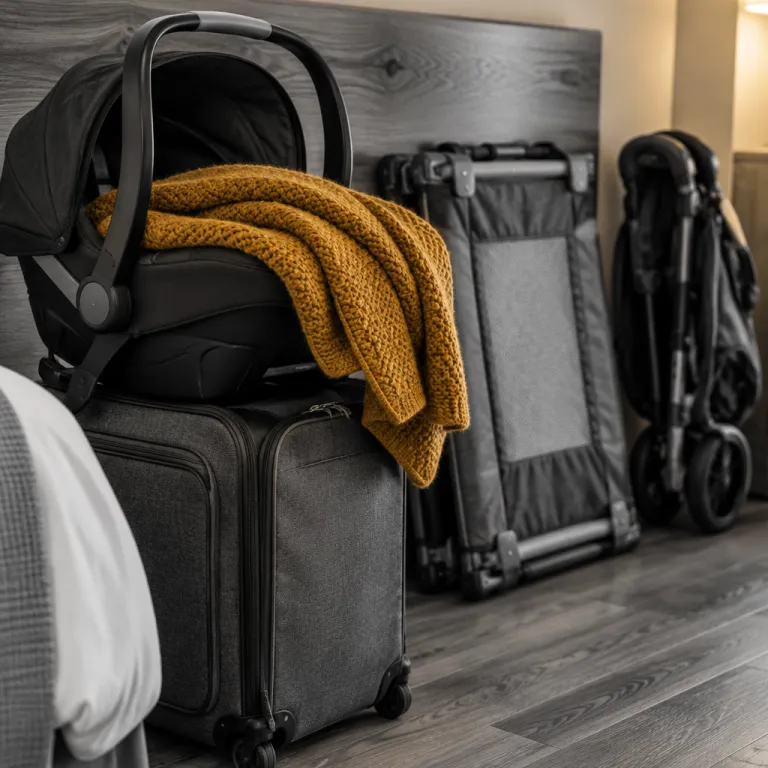
Why family travel logistics matter more than the room key
Family travel logistics — from car seats to hotel cribs and kids beds — quietly decide whether your holiday feels effortless. The most elegant hotel room means little if a traveling baby has nowhere safe to sleep and the car seat is stuck in customs. When you think about the trip, picture every step from your front door to the kids’ bed, not just the glossy lobby.
Parents who travel with more than one child quickly learn that every child age stage changes the packing list and the way you move through air and ground transport. A tiny infant needs a different seat, crib and feeding set up than an older child who can walk through the terminal, carry a small pack and climb into a booster seat. The smartest child parent strategy is to map the entire trip by segments — home to airport, airport to plane seat, plane to rent car counter, rent car to hotel room, and finally hotel room to sleep.
Luxury hotels now understand that children are not an afterthought and that a family trip fails if the baby will not sleep or the kids cannot play safely. Many premium hotels offer guaranteed connecting rooms, blackout curtains and proper cribs, but you still need to confirm every item for your specific child age and number of children. Treat the reservation call or your conversation with a trusted travel agent as a logistics briefing, where you check car seat policies, crib availability, kids bed options and any baby gear that you will receive on arrival.
Car seats in the air and on the road: what to bring, what to rent
Car seats are often the heaviest part of family travel planning, yet they are non negotiable for child travel safety. On international travel, airlines differ on whether a car seat is allowed in the cabin, which seat positions are approved and how a traveling baby is secured during air turbulence. Before you book, read your airline’s child policy, then call to confirm how they handle an infant, an older child and any booster seats you plan to bring.
For long haul travel, many parents choose a lightweight car seat that is certified for both air and car use, so one seat works from gate to rent car. For example, several compact convertible seats and travel friendly models are specifically labelled “FAA approved” for use on aircraft as well as in vehicles. If you prefer to rent car seats at your destination, ask the rental company to email the exact model, child age range and installation manual, then check car seat recall history yourself. At the counter, inspect the car seats for damage, confirm the expiry date and allow extra time so your child second in line is not rushed into an unsafe installation.
In cities where taxis are the main way to travel, consider a foldable car seat or a compact booster seat for kids who meet the minimum child age and weight. Some luxury hotels, including several elegant kid friendly hotels in Dallas, now keep a small inventory of clean, recent model car seats and booster seats for airport transfers, but these are never guaranteed. Always ask the hotel concierge in writing, clarify whether you will receive the seat in the car or at the hotel, and have a backup plan such as a portable restraint or a private transfer company that specialises in child travel.
Cribs, kids beds and the architecture of a good night’s sleep
Sleep is the quiet backbone of every successful family hotel plan. A beautiful hotel means little if your infant is in a flimsy crib, your older child is on a noisy rollaway and you lie awake counting the hours until morning. When you book, treat the sleep set up as seriously as the room category or the view.
Ask the hotel to describe the crib in detail, including mattress type, sheet quality and whether it meets current safety standards for your child age group. Clarify whether the kids bed is a real bed, a sofa bed or a fold out, and whether the hotel room has space to walk once the crib and beds are in place. In many luxury hotels, a well designed family room will include blackout curtains, dimmable lights and a small play corner so children can play quietly while a traveling baby naps.
Teenagers and older child guests often need privacy and a proper desk more than toys, which changes the ideal layout. Properties that genuinely understand family travel will offer both connecting rooms and suites, so you can choose between a shared living room or two separate hotel rooms with a door in between. For insight into what older kids actually value in a hotel room, it is worth reading a specialist guide on what teenagers want from a stay beyond the kids club and the minibar, then matching those expectations to your chosen hotels.
Connecting rooms versus suites: how families really use space
The choice between connecting rooms and a suite shapes how your family will sleep, play and regroup during the trip. A suite offers a shared living area where children can play while adults talk, but connecting rooms give you two full bathrooms, two doors and more flexible sleep arrangements. For many families, especially with mixed child age ranges, the right answer changes from trip to trip.
With a baby and a toddler, a one bedroom suite can work beautifully because the infant crib fits in the living room while the parents share the bedroom and the older child sleeps on a sofa bed or kids bed. When you travel with an older child and a younger sibling, connecting rooms often feel calmer, because each child will receive their own bed and you can separate early sleep from late night reading. In multigenerational trips, a pair of connecting rooms plus a suite can create a private family wing, a configuration explored in depth in guides to three generation hotel stays.
Premium hotels that take family travel logistics seriously will guarantee connecting rooms at booking, not at check in, and will note every detail from child age to crib needs in the reservation. Ask the reservations équipe to confirm whether the connecting door is internal, whether both rooms have baths or showers and how far they are from the lift, which matters when you pack a stroller, baby gear and car seats. If you work with a specialist travel agent, share your exact sleep schedule, including when the baby will nap and when children usually wake, so they can match you with hotels whose layouts support your real life rhythms.
What to request before arrival and what to solve on site
The most efficient family hotel strategy is to separate what must be guaranteed in advance from what you can arrange after check in. Anything related to safety or sleep — cribs, car seats for transfers, connecting rooms, kids bed types — belongs in the pre arrival email. Amenities that simply make life nicer, such as toys to play with or a baby bath, can usually be handled on site.
Before you travel, send the hotel a clear list that includes each child age, whether you need a crib or bed rail, and whether you will arrive with your own car seat or need one in the car. Ask whether the hotel can child proof the room with socket covers, corner guards and a removed minibar, and whether you will receive a welcome pack with nappies, wipes or baby toiletries. Clarify late check out policies, because an extra two hours can mean a proper nap for a traveling baby before a long air journey.
Once you are in the room, walk through it at child level to spot hazards, then call housekeeping for quick fixes such as extra towels to pad sharp edges or a second duvet to create a soft play area. Many luxury hotels now partner with local baby gear rental companies, so you can arrange a stroller, high chair or extra crib for visiting cousins with just a call to the concierge. If the front desk feels busy, skip main reception queues and use the messaging app or WhatsApp contact that many hotels provide for fast responses while you manage children in the room.
Packing light with kids: baby gear rentals, insurance and payment strategy
Packing for a family trip is a balancing act between bringing enough baby gear and keeping your hands free for passports and snacks. The more you can safely outsource to the hotel or to local rental services, the easier it becomes to move through air terminals, train stations and narrow hotel corridors. Start by listing what each child truly needs to sleep, eat and play, then remove anything that does not serve those three priorities.
In many major cities, specialist companies rent cribs, strollers, car seats and toys, delivering them directly to hotels so your room is ready when you arrive. When you book, ask whether the hotel has a preferred partner, how they clean items between rentals and whether you will receive the exact model you reserved, which matters for car seat installation and infant ergonomics. For a traveling baby, consider packing your own fitted sheet or sleep sack, because familiar textures help a baby sleep even in a new crib.
Travel insurance for families should go beyond basic medical cover and lost luggage to include child specific benefits. Look for policies that cover the cost of a rent car with proper car seats if your original vehicle is in an accident, and that reimburse prepaid hotel nights if a child second in the family falls ill and you must delay travel. Pay with a credit card that includes strong travel protections, then read the small print so you know exactly when you, as the child parent, will receive compensation for trip interruptions, medical care or emergency hotel room changes.
Key figures shaping modern family hotel logistics
- According to the United States National Highway Traffic Safety Administration (NHTSA), correctly used car seats can reduce the risk of fatal injury for infants in passenger cars by more than 70 percent, which explains why many airlines and hotels now highlight child travel safety in their family policies.
- Research from the American Academy of Pediatrics (AAP) shows that room sharing without bed sharing for at least the first six months can reduce the risk of sleep related infant deaths, a finding that supports the growing trend of hotels offering full size cribs and separate kids bed options in family rooms.
- A survey by the Family Travel Association (FTA) reported that a majority of parents rank guaranteed connecting rooms as one of their top three hotel priorities, ahead of kids clubs or pools, confirming that layout and sleep logistics now drive booking decisions for many families.
- Data from the United States Travel Insurance Association (UStiA) indicates that family policies with trip interruption and medical coverage typically cost between 4 and 10 percent of the total trip price, a relatively small premium compared with the potential expense of last minute hotel and rent car changes due to child illness.
Quick family logistics checklist
- Confirm airline child policy, car seat rules and seat assignments.
- Request cribs, bed rails and guaranteed connecting rooms in writing.
- Verify car seat and crib models, safety standards and condition on arrival.
- Ask about baby gear rental partners, cleaning routines and delivery times.
- Review travel insurance benefits for car seats, hotel changes and child illness.
FAQ about car seats, cribs and family hotel logistics
Should I bring my own car seat on an international flight ?
Bringing your own car seat gives you full control over safety, because you know the history, expiry date and installation method. If your airline allows car seats in the cabin, using one in the plane seat can also help a baby sleep more easily in a familiar position. When that is not possible, confirm in advance how you will secure your child in the air and what options exist at your destination for safe child travel in taxis or rental cars.
How can I be sure a hotel crib is safe for my baby ?
Ask the hotel to confirm that their cribs meet current safety standards, have firm mattresses and are checked after every stay. Request photos of the crib in a hotel room and ask whether fitted sheets are provided, because loose bedding is not recommended for an infant. On arrival, inspect the crib yourself, checking for gaps, loose screws and any decorative items that could interfere with safe sleep.
Is it better to book a suite or connecting rooms with kids ?
Suites work well for families who want a shared living space and plan to put the crib or kids bed in the lounge while adults use the bedroom. Connecting rooms are often better for families with older children or teenagers, because everyone gets more privacy, more storage and usually a second bathroom. The right choice depends on your children’s ages, sleep habits and how much time you expect to spend in the room during the trip.
What should I request from a hotel before arriving with children ?
Before you travel, request any essential items that affect safety or sleep, including cribs, bed rails, high chairs, bottle warmers and guaranteed connecting rooms. Share each child age, usual sleep time and any special needs, so the hotel can position your room away from noisy venues or lifts. It is also wise to confirm airport transfer options with car seats, late check out possibilities and whether the hotel can arrange local baby gear rentals.
How do baby gear rental services work with luxury hotels ?
Many luxury hotels partner with vetted baby gear rental companies that deliver items such as strollers, car seats, cribs and toys directly to your room. You usually book and pay the rental company in advance, then the hotel réception helps coordinate delivery, set up and collection at the end of your stay. Always confirm cleaning protocols, brand and model details, and whether you will receive the exact item shown in the booking, especially for car seats and sleep equipment.