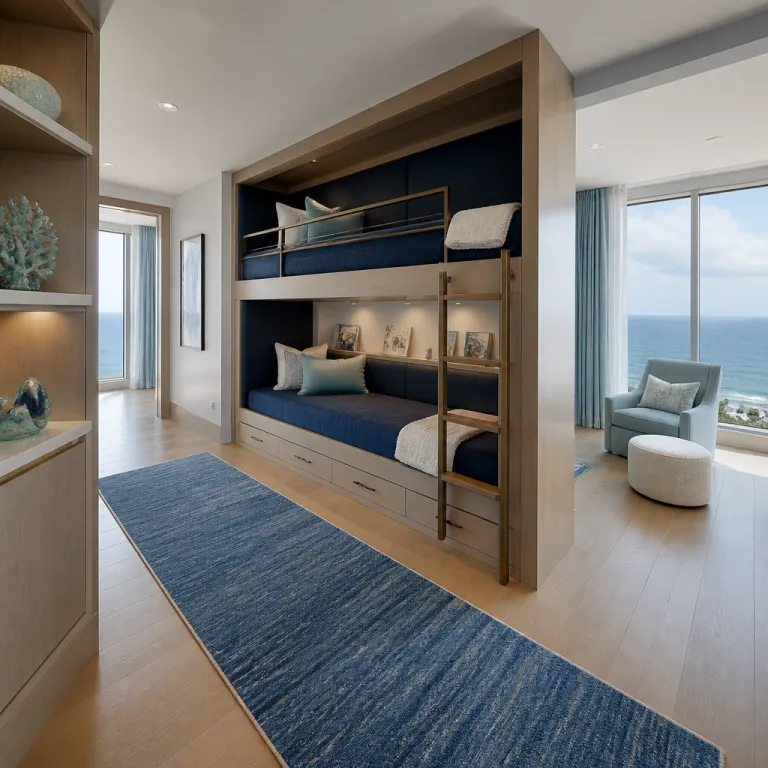
How luxury family hotel suite design finally understood bunk beds
For years, a bunk bed in a hotel room signalled compromise rather than comfort. In luxury family hotel suite design today, that same stacked structure can be the centrepiece of a calm, cleverly zoned living space that respects both sleep schedules and adult sanity. Families who travel frequently now expect family suites and interconnected rooms that feel considered rather than improvised, with bunk beds in luxury hotels treated as a design feature, not an afterthought.
Across high end hotels worldwide, designers are rethinking every centimetre of the family bedroom. They use custom millwork to frame bunks, carve out a small living room, and integrate storage so the room layout absorbs strollers, scooters and beach bags without feeling cramped. This shift is not about squeezing more beds into hotel rooms; it is about creating a property experience where a hotel stay with children feels as polished as a business trip in a star hotel.
Industry commentary points to a clear direction of travel for these family focused hotel features. A 2023 STR and Tourism Economics outlook, for example, noted that family and group travel segments were among the fastest growing categories in upscale and luxury hotels, while Marriott International’s 2022 annual report highlighted rising demand for multi bedroom and family suite products across its premium brands. At the same time, numerous luxury hotel groups publicly reference adding more family suite categories, suggesting that the unique hotel with playful yet refined room design is no longer a niche experiment but an emerging standard.
From hostel aesthetic to custom millwork: the new bunk benchmark
The new generation of bunk beds in a luxury hotel bears little resemblance to the metal frames of student hostels. In many suites, bunks are wrapped in warm timber, layered with soft lighting, and paired with a compact dining space where children can snack while adults finish emails. This kind of interior design turns one hotel room into a sequence of zones, each with a clear purpose and a clear sense of privacy.
At Cavallino Bianco in Caorle, Italy, family suites use separate adult and child sleeping areas to keep the main bedroom serene. A dedicated children’s zone sits alongside a large wellness area and an adults only rooftop pool, so parents can stay hotel side instead of planning a separate tour for downtime. When you book here, the room layout makes it easy to slide from family chaos to private calm without ever leaving the property.
The broader trend is clear across luxury hotels that offer bunk centred rooms in both city and beach destinations. At Four Seasons Resort Orlando at Walt Disney World Resort, for instance, the 88 m² Grand Family Suite combines a king bedroom with a separate kids’ room featuring built in bunk beds, a sofa bed, two full bathrooms and a balcony overlooking the pools, with rates that typically start above standard rooms in peak season. Designers talk about “bunk villages” carved into a corner of the living space, with individual reading lights, sound insulation and built in ladders that feel sculptural rather than industrial. As one interior designer put it, “If the bunks feel like a tiny cabin of their own, children settle faster and parents relax sooner.” For families weighing a hotel suite against a villa with a pool, articles on private pool flexibility such as why families are choosing villas over hotel rooms highlight how thoughtful room design can keep the hotel option competitive.
What really matters inside a family bunk suite
When you walk into a well executed family suite, the difference is obvious within seconds. Sound insulated partitions between the adult bedroom and the bunk area mean a baby can nap while older children read in the living room or watch a film. Separate lighting controls, including child height switches, let you dim the bunks while keeping a soft glow over the hotel amenities you actually use after bedtime, from the minibar to the coffee corner.
Storage is the quiet hero of luxury family hotel suite design, especially in destinations where families arrive with half the nursery. Integrated cupboards for strollers, low drawers for toys, and hooks at child level turn one hotel room into a functional living space rather than a temporary camp. In beach resorts with a private beach, the best hotels now add outdoor rinse stations and sand friendly flooring near the entrance, so the decor and fabrics in the hotel rooms stay fresh for longer stays.
Mandarin Oriental Punta Negra in Mallorca is a useful example of how a luxury hotel can balance grown up glamour with family practicality. Its rooms and suites are planned with families in mind, including layouts that allow for small plunge pools or terraces, while fine dining by chefs such as Matsuhisa and Dani García sits alongside relaxed venues where children are genuinely welcome. At Soneva Jani in the Maldives, the two bedroom Water Retreat with Slide offers around 520 m² of indoor and outdoor space, including a children’s room with bunk beds, a private pool, waterslide, pantry and outdoor deck, illustrating how a resort can combine playful design with serious comfort. For parents comparing this kind of property with emerging kid focused coastal developments, reports on new destinations such as kid friendly luxury on the Red Sea coast show how hotel features are evolving in parallel.
Connecting rooms versus family suites: when the premium pays off
Families extending a business trip often face a familiar decision at the booking stage. Do you reserve two standard rooms with a connecting door, or invest in a purpose built hotel suite with bunks and a defined living space? The answer depends less on headline square metres and more on how the room layout supports the way your family actually lives on the road.
Connecting rooms can work well for older children who value independence and a separate hotel room key. You gain two full bathrooms, more wardrobe space, and the option for one quiet room while the other hosts early risers, which can be the best solution on short city stays. However, you lose the communal living room that makes a longer hotel stay feel like home, especially when you want a shared dining space for room service breakfasts or late night snacks.
A dedicated family suite, by contrast, concentrates value in its design rather than just in extra square metres. Bunks carved into alcoves, a sofa that faces a view rather than a television, and a compact work corner let the same property feel both like an efficient base for meetings and a relaxed retreat for children. As one frequent traveller parent described it, “The right suite means we can put the kids to bed, open a laptop, pour a glass of wine and still feel like we are on holiday.” For parents who care about both ROI on their travel budget and the quality of their downtime, the right suite can quietly outperform two disconnected rooms in every meaningful way.
From vegas to the beach: where bunk suites work best
Urban resorts and coastal retreats are embracing bunk oriented layouts in different but complementary ways. In las vegas, where a luxury hotel might once have targeted only gamblers and conference delegates, several properties now carve out family friendly floors with rooms that tuck bunks behind sliding panels. The result is a hotel stay where children can sleep early while parents still enjoy the glow of the skyline from a separate living room.
At the other end of the spectrum, beach resorts use bunk suites to keep families close to the water without sacrificing privacy. A ground floor hotel suite with direct access to a private beach can include a shaded terrace that functions as an outdoor living space, complete with ceiling fans and washable fabrics. Parents can read a book while children build sandcastles metres away, and the decor inside the bedroom remains calm and uncluttered because sandy gear lives outside.
Global hospitality commentary shows that “Luxury hotels adding family suites.” and “Bunk beds in upscale accommodations.” sit alongside a broader “Focus on multi generational travel.” as defining shifts in the sector. For families planning a European coastal break, guides such as this one on the French Riviera with kids illustrate how the best hotels now weave bunk centred rooms into a wider ecosystem of pools, kids’ clubs and calm adult only zones. Whether your next tour takes you to vegas, Mallorca or a quieter stretch of coast, the smartest move is to book a property where the room design clearly reflects how families actually move through a day.
FAQ
Why are luxury hotels adding bunk beds to family suites ?
Luxury hotels are adding bunk beds to attract families seeking comfortable, spacious accommodations without sacrificing style. By stacking beds vertically, a hotel can preserve floor area for a proper living space, a work corner and play zones. This approach aligns with a wider focus on multi generational travel, where one well designed room supports several age groups.
Are bunk bed suites more expensive than standard hotel rooms ?
Prices for bunk bed suites vary by property and destination, and some hotels offer them at similar rates to standard rooms during quieter periods. The premium, when it exists, usually reflects extra square metres, enhanced hotel amenities and more complex interior design. Families often find that the added functionality and reduced need for a second room offset the higher nightly rate.
Do bunk bed suites include other family friendly amenities ?
Most bunk centred suites come with a wider set of hotel features aimed at families, such as child sized bathrobes, step stools, blackout curtains and mini fridges for snacks. Many properties also provide access to kids’ clubs, family pools and flexible dining space options that welcome younger guests. Parents should always check hotel websites for family suite availability, book in advance during peak seasons, and inquire about additional family amenities.
Are bunk beds in luxury hotels safe for younger children ?
Safety standards for bunk beds in upscale hotels are generally high, with guardrails, secure ladders and clear age recommendations. Parents should still assess the specific room design on arrival, checking rail heights, ladder stability and proximity to windows. If a child is too young for the upper bunk, many suites allow you to use the lower bed only and request extra rails or a cot.
When should I choose a family suite instead of connecting rooms ?
A family suite works best when you value shared living space, integrated storage and a layout that keeps everyone within easy reach. Connecting rooms can be ideal for teenagers who want privacy and their own hotel room, especially on short city breaks. For longer stays or trips with younger children, a single, well planned suite often delivers a smoother daily rhythm and better use of every square metre.