Section 1 – What makes a luxury kids hotel genuinely family friendly
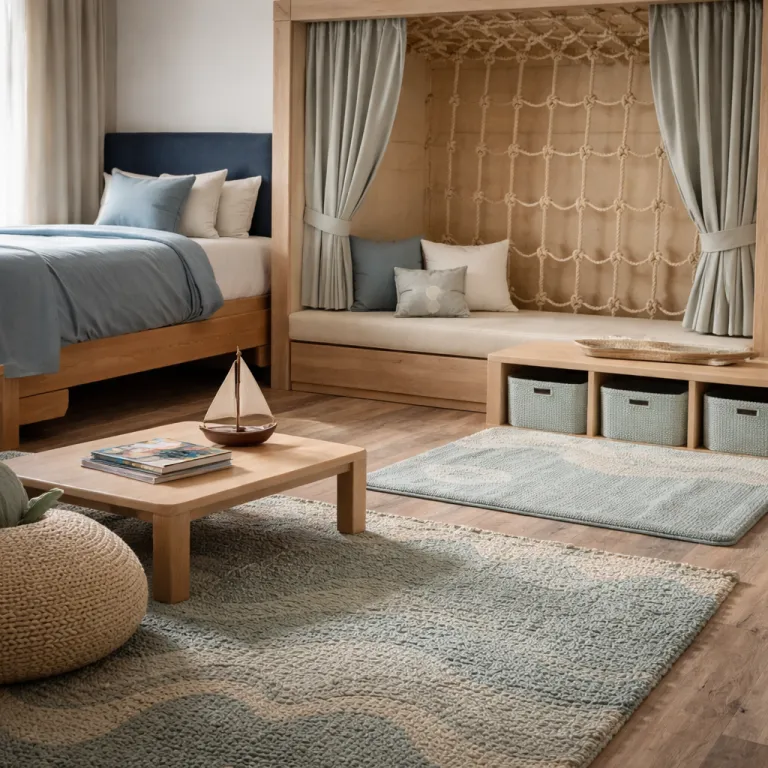
A true luxury kids hotel starts with design that respects every family member. Thoughtful layouts separate the parents’ room from the kids’ rooms while keeping everyone close enough for comfort and supervision. This balance between privacy and proximity defines the best modern family stays and often appears in floor plans of around 35–50 square metres for a typical family suite.
High end hotels now treat the family floor plan like a private apartment, with flexible rooms that connect, slide, or reconfigure as children grow. Universal's Aventura Hotel, for example, offers Kids' Suites with separate sleeping areas and a dedicated kids’ zone near the window, showing how a cleverly planned room can transform bedtime from chaos into calm. A typical layout might include a queen bed for adults, a bunk or sofa bed for children, and a small table where kids can draw while parents read. One parent who stayed in a similar suite described it as “finally feeling like our own little apartment, not just a cot squeezed into a corner.” When you evaluate different hotels, look for floor plans that show clear sleeping zones, blackout curtains, and easy access to the nearest bathroom or corridor.
Design also extends to circulation, because families move differently through a hotel than solo travelers. Wide corridors, intuitive wayfinding, and lifts close to family rooms reduce stress when you are juggling strollers, swim bags, and tired kids. In premium family resorts, the shortest path from room to pools, kids’ club, and casual dining is a design priority, not an afterthought. Guest reviews that mention “no long walks with the stroller” or “quick walk from room to pool” are often a reliable indicator that the layout genuinely works for families, especially when combined with clear signage and step free routes.
Section 2 – Immersive themed rooms and play zones that captivate kids
The most successful kids hotel concepts build entire stories around the room, not just add cartoon bedding. At LEGOLAND® California Hotel, for instance, every themed room turns into a playful set where children become part of the narrative from the moment they open the door. This kind of immersive design keeps kids engaged in the room, which gives parents rare moments of quiet and can reduce the need for constant off site entertainment.
Luxury family hotels increasingly combine themed rooms with adjacent play zones, so the transition from quiet time to active play feels natural. Many hotels offering family focused accommodations now use interactive walls, hidden puzzles, and built in games to extend the experience beyond a single room and into corridors or lobbies. These spaces echo the design principles highlighted in this in depth guide to redefining family friendly stays, where the entire property becomes a safe playground and circulation routes double as discovery trails.
Behind the scenes, design teams rely on durable materials and rounded edges to keep play areas both beautiful and safe. A premium kids hotel will often zone its play spaces by age, with soft play for toddlers, creative corners for school age kids, and digital lounges for teens. Typical capacity guidelines might limit soft play to a small group at a time, while older children’s areas allow more independent use. When you compare hotels, ask for a clear map of kids’ rooms, playrooms, and the nearest pool, because proximity matters when nap times and energy levels change quickly. If the hotel can show where the playroom sits in relation to lifts, exits, and family suites, you can better judge whether children can move around safely with minimal corridor crossings.
Section 3 – Pools, spas, and water play designed for all ages
Water is often the emotional center of a kids hotel, and the way pools are designed can make or break a stay. Families need shallow zones, shade, and lifeguard visibility, while adults still crave a calm lane or spa pool for a quiet swim. The best hotels now create layered aquatic areas that serve toddlers, tweens, and parents without conflict, often using graduated depths from around 0.3 metres for splash pads up to 1.2–1.5 metres in main family pools.
In many premium resorts, you will find a main family pool with graduated depths, a separate splash zone for very young kids, and a quieter spa area reserved for adults. Some hotels in destinations such as palm fringed coastal cities or desert oases like palm springs add cabanas, misting systems, and shaded daybeds to keep the pool deck usable throughout the day. When you browse hotel photos, look for multiple pools, clear depth markings in metres, and railings that make entry easy for both children and grandparents. It is also worth checking whether lifeguard staffing follows common ratios, such as one guard per 25–30 swimmers in the busiest zones, which many safety guidelines recommend.
Well designed water areas also consider acoustics and crowd flow, so noise from the main pool does not overwhelm nearby rooms. Luxury family hotels often place the liveliest pools at a distance from the most premium rooms, while keeping them close to the kids’ club and casual dining terraces. For parents who value wellness, a separate spa with hydrotherapy pools and quiet relaxation rooms can turn a family trip into a genuine retreat, especially when opening hours allow adults only time after the kids’ club closes.
Section 4 – Kids’ clubs, calendars of activities, and family centric services
A sophisticated kids hotel treats programming with the same care as design, starting with a clear calendar of age specific activities. Loews Arlington Hotel, for example, runs a Kids Club that structures the day around crafts, games, and supervised play, giving parents predictable windows of free time. This kind of planning reassures families who want both togetherness and personal space, and many hotels now cap group sizes to around 8–12 children per staff member for younger age brackets.
Many family oriented resorts now publish their activity calendar weeks in advance, so you can align your stay with themed weekends, seasonal events, or school holidays. Industry surveys on family travel, including research cited by the Family Travel Association, consistently report that hotels offering amenities and activities tailored for children are increasingly expected to provide kids' clubs, interactive play areas, and child friendly dining options. When you evaluate hotels, ask whether the kids’ club is included or free only at certain times, and whether language support is available for your children.
Service design also extends to practicalities such as stroller friendly routes, laundry access, and flexible check in for families arriving after long flights. High end hotels often coordinate with local partners and resorts to arrange theme park transfers, nature excursions, or cultural workshops that fit neatly into the family calendar. A strong kids’ program should feel curated rather than improvised, with clear safety protocols, visible sign in procedures, and staff trained specifically for working with children. As one family focused general manager put it, “parents relax when they can see the system, not just the smiles.”
Section 5 – Pet friendly luxury for families who travel with animals
For many families, a kids hotel is not truly complete unless pets are welcome as well. The rise of pet friendly policies in upscale hotels reflects a simple reality, because children often see their animals as full members of the family. When pets are allowed thoughtfully, the entire travel experience feels more relaxed and emotionally coherent, and families are less likely to cut trips short to return home to their animals.
Premium hotels that position themselves as pet friendly usually go beyond a basic “pets allowed” note in the small print. They design specific rooms on lower floors with easy outdoor access, durable flooring, and discreet pet amenities such as beds, bowls, and waste stations. Some family resorts even create small enclosed lawns or palm shaded walking paths, so kids can safely help with pet care without crossing busy driveways. Typical policies might limit the number of animals per room and set maximum weights, while still allowing enough flexibility for most family dogs.
When you compare hotels, look carefully at the details of any pets allowed policy, including weight limits, cleaning fees, and restricted areas such as the spa or main dining room. A well designed pet friendly program will still protect guests with allergies by zoning certain floors or wings for animals. For multi generational trips, this thoughtful approach lets grandparents enjoy quieter rooms while children and pets stay closer to outdoor spaces and the most active pool areas, keeping everyone comfortable without sacrificing the overall luxury feel.
Section 6 – How premium booking platforms curate the ideal kids hotel
Luxury booking platforms dedicated to family travel now act as design curators, not just reservation engines. They evaluate each kids hotel against strict criteria that cover room layouts, pools, kids’ clubs, and pet policies, then present only the best matches for each family profile. This curation saves time and reduces the risk of glossy photos hiding impractical designs, especially for parents booking complex trips with multiple children.
On a well built premium website, filters go far beyond “family room” or “kids stay free” and instead let you search by interconnecting rooms, splash pools, or on site kids’ club. Detailed property pages may highlight specific examples such as LEGOLAND® California Hotel for immersive theming, Loews Arlington Hotel for structured club programs, or Universal's Aventura Hotel for smart family room design. For readers who value aesthetics as much as practicality, this guide to the best family design hotel experiences shows how style and comfort can coexist beautifully and still meet everyday needs like storage and stroller access.
Trusted platforms also integrate transparent data, such as survey findings from the Family Travel Association indicating that a clear majority of families now prefer kid friendly hotels, and pricing analyses showing that themed rooms often carry an additional nightly premium. Publicly available hotel pricing reports suggest that, in many destinations, the extra cost for themed rooms in family oriented hotels can average around 50 USD per night, though this varies by season and location. By combining this kind of evidence with verified guest reviews and clear floor plans, they help you judge whether a higher rate for a themed room, extra pool access, or a more advanced kids’ club will genuinely enhance your family holiday.
Key statistics on family friendly and kids focused hotels
- Industry surveys from organisations such as the Family Travel Association suggest that a clear majority of families now prioritise kid friendly hotels, confirming that children’s amenities strongly influence where people choose to stay. Recent reports from the association have highlighted that parents frequently rank pools, kids’ clubs, and larger rooms among their top decision factors.
- Hotel pricing reports indicate that the average additional cost for themed rooms in family oriented hotels is often around 50 USD per night, a premium many parents accept in exchange for immersive design and easier bedtimes. Analysts note that this uplift can be higher in peak school holiday periods and in resorts attached to major theme parks.
- Industry trend analyses show a steady rise in themed hotel rooms and interactive play areas, reflecting growing demand for hotels that function as experiences rather than simple places to sleep. Some market studies link these investments to improved guest satisfaction scores and stronger repeat booking rates among families.
- Family travel agencies report that year round operations with seasonal activity calendars help hotels maintain occupancy outside peak school holidays, while still tailoring programming to children’s ages. Properties that adjust schedules and staffing levels to match local school breaks often see more consistent family demand across the year.
Frequently asked questions about luxury kids hotels
What amenities do kid friendly hotels usually provide for families ?
Most kid focused hotels offer themed rooms or family suites, supervised play areas, kids’ clubs, and child friendly dining options with flexible menus. Many also provide essentials such as cots, highchairs, and step stools on request. In higher end properties, you may find extras like welcome gifts for kids, family pools with lifeguards, and priority access to local attractions, sometimes bundled into a resort fee or family package.
Are there age restrictions for activities in kids’ clubs and pools ?
Yes, many hotels apply age limits for safety and to tailor activities appropriately. Toddlers might have access only to soft play zones and shallow pools, while older children join structured games or creative workshops. Always check the hotel’s activity calendar in advance, because some clubs divide sessions by age group and language, and may require parents to stay on site for younger age brackets.
Do family friendly hotels usually offer babysitting or evening care ?
Many upscale family hotels provide babysitting services or evening kids’ club sessions, but availability and pricing vary widely. Some properties work with certified external agencies, while others employ in house teams trained specifically for childcare. You should confirm booking procedures, minimum hours, and staff qualifications before relying on these services for a special dinner or spa visit, and ask whether there are set ratios of carers to children.
How far in advance should I book a themed family room or suite ?
Themed rooms and family suites are often the first to sell out, especially during school holidays and long weekends. Booking several months ahead is wise if you need connecting rooms, specific bed configurations, or guaranteed access to a kids’ club. For peak dates, contact the hotel or your preferred booking platform early to secure the exact layout you want and to confirm any minimum stay requirements.
What should I look for when choosing a pet friendly family hotel ?
Start by checking whether pets are allowed in specific room categories and which areas of the property remain pet free for allergy sensitive guests. Look for practical features such as ground floor access, nearby green spaces, and clear information about fees or deposits. A well designed pet friendly policy will keep both animals and other guests comfortable, while still delivering the full kids hotel experience for your family, from play areas to family dining terraces.
References
- Family Travel Association – industry surveys on family travel preferences and the importance of kid friendly amenities.
- Hotel pricing and trend reports – analysis of premiums for themed rooms and family amenities in major resort and city destinations.
- American Hotel & Lodging Association – guidelines on family and pet friendly practices, safety considerations, and service standards.