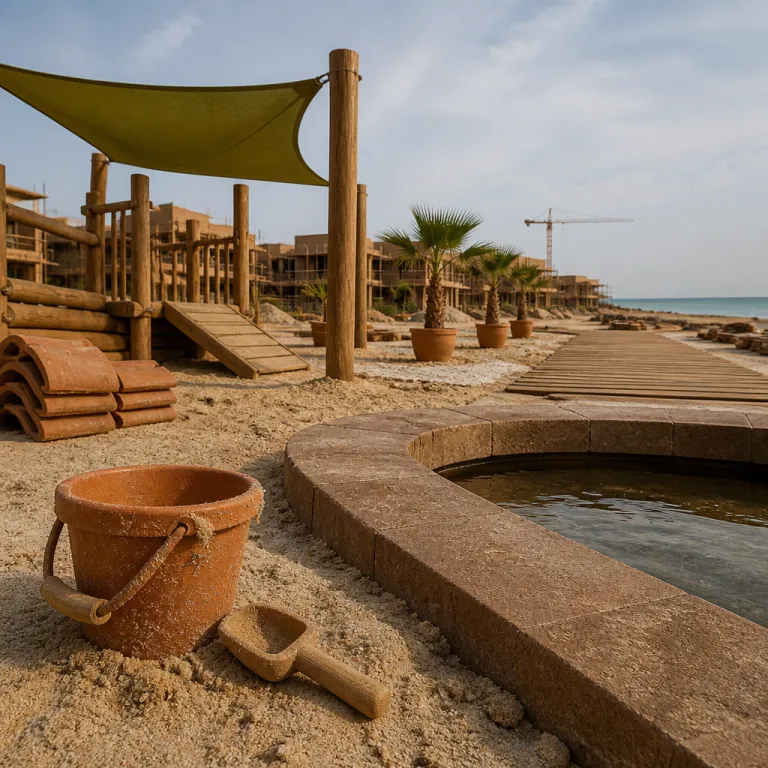
Why a Red Sea family resort in Saudi Arabia feels different
A red sea family resort in Saudi Arabia does not inherit decades of adults only habits. This new coastline is being planned as a sea resort network where family needs, sustainability and privacy are written into the first sketches, not added later. For parents used to squeezing strollers through retrofitted corridors in older hotels, the difference in daily experience is immediate.
The wider Red Sea project stretches across more than 28 000 square kilometres of protected sea and desert, with around 90 island sites earmarked for carefully phased development. Red Sea Global, the state backed developer, is steering this sea project with a clear brief to balance luxury, ecology and family friendly design, while international hotel brands bring operational expertise. The ambition is not just another resort in Saudi Arabia, but a new kind of destination in the Middle East where children are expected, not tolerated.
For families, that means every resort red property is being designed with shaded paths, intuitive stroller access and generous connecting rooms that actually connect. It also means that the first wave of hotels red along this arabia red shoreline, from desert rock inspired retreats to sea shura waterfront escapes, is being benchmarked against the best global family destinations rather than local precedents. When you book a red sea family resort in Saudi Arabia, you are stepping into a living laboratory for how luxury and childhood can share the same lobby.
From shura island to southern dunes: mapping the new family coastline
The emerging map of the red sea family resort scene in Saudi Arabia reads like a series of carefully drawn chapters. Shura Island anchors one cluster, a low slung sea resort hub where overwater villas, coral friendly jetties and family focused promenades are being planned as part of the flagship sea project. Inland, the Southern Dunes area and the sculptural Desert Rock concept extend the destination into the ochre dunes, giving families a way to pair sea days with desert nights.
On Shura Island, early plans for properties such as Nujuma, a Ritz Carlton Reserve, signal how high the bar is being set for families. Here, the nujuma ritz concept blends private villas with generous decks, calm lagoon access and kid friendly marine activities that go beyond inflatable toys, while the wider shura island masterplan keeps car traffic away from the main guest paths. Parents who usually split their time between refined New York family stays and coastal breaks will recognise the same level of polish they find in the best NYC hotels for kids and parents, but with the added drama of the red sea horizon.
Further south, Southern Dunes and the senses southern experiences being developed there are about immersion in the landscape rather than a single hotel pool. Here, architects such as Foster + Partners are shaping low impact structures that tuck into dunes rather than sit on top of them, creating natural windbreaks and shaded courtyards where children can play without harsh midday sun. For the solo explorer traveling with a niece, nephew or younger sibling, this spread of sea, dunes and desert rock terrain means you can curate a multi stop itinerary within one coherent destination in Saudi Arabia.
Inside Six Senses AMAALA: a prototype for kid-forward luxury
Six Senses AMAALA, set between desert cliffs, lagoon waters and the open red sea, is the clearest working example of how a red sea family resort in Saudi Arabia can feel both indulgent and grounded. The resort opened with 100 suites and villas plus 25 branded residences, all designed with the brand’s signature barefoot luxury and wellness focus. For families, that translates into generous indoor outdoor living, quiet corners for naps and enough space that a travel cot never feels like an afterthought.
The Grow With Six Senses programme is where the property moves from child tolerant to genuinely child centric. Children can join the Junior Mangrove Ecologist activities, spending time on the sea shore learning how the red tinged mangroves protect the coastline, while Earth Lab workshops turn recycling and renewable energy into hands on experiments. This is not a generic kids’ club ; it is a curriculum designed to root young guests in the specific ecology of Saudi Arabia’s red sea coast, and it sits comfortably alongside adult spa rituals and sunrise yoga.
Dining follows the same pattern of thoughtful integration rather than compromise. Six venues, including the Nafas cooking school, allow families to check into classes where older children learn regional recipes while younger ones play with textures and spices, and the non alcoholic beverage programme leans into botanical infusions, fermented drinks and probiotic tonics that feel grown up without alcohol. If you are used to navigating kids’ menus in refined American city hotels, such as the properties we review in our guide to kid friendly hotels in Dallas for refined family city breaks, this kind of menu design in a sea resort will feel like a welcome evolution.
Designing for families from day one: architecture, layout and privacy
Because the red sea family resort landscape in Saudi Arabia is being built from scratch, architects and planners can design for families at masterplan scale. That means plotting stroller friendly promenades, shaded play pockets and intuitive wayfinding before the first hotel opens its doors. It also means that private villas, family suites and multi bedroom residences are not carved out of existing stock, but designed as primary room categories.
On Shura Island, for example, early visualisations of nujuma ritz style villas show wide decks with direct sea access, generous indoor living rooms and discreet service corridors that allow staff to move without disturbing sleeping children. Across the wider sea project, Foster + Partners and other studios are using passive cooling, deep overhangs and courtyard layouts to keep temperatures manageable for young guests, while still framing views of the red sea and the surrounding dunes. In the Southern Dunes and Desert Rock zones, the architecture leans into earth sheltered forms that reduce energy use and create naturally quiet bedrooms, which matters when you are crossing time zones with toddlers.
Privacy is another area where starting from zero helps. Many of the planned resorts in Saudi Arabia are arranging family clusters so that private pools, small play lawns and shaded terraces sit slightly apart from main adult oriented areas, without feeling exiled. This is where the ethos of brands like Ritz Carlton, St Regis Red Sea and Carlton Reserve style properties comes into play, blending classic service with layouts that respect nap schedules and early bedtimes. For solo explorers traveling with children, this level of design thinking removes much of the low level stress that can accompany even the most beautiful hotels red elsewhere.
How the Red Sea compares to Maldives and Caribbean family stays
Parents who have done the Maldives circuit or rotated through Caribbean islands will feel some familiar rhythms at a red sea family resort in Saudi Arabia. There is the same emphasis on overwater or near water villas, the same barefoot pathways and the same easy slide between pool and sea. Yet the absence of legacy adults only zoning and the presence of a coordinated sea project give this arabia red coastline a different energy.
In the Maldives, many properties were originally designed as romantic retreats, with family facilities layered on later, while Caribbean resorts often juggle cruise ship day guests with overnight families. Along Saudi Arabia’s red sea coast, the entire destination is being curated as a network of complementary properties, with Red Sea Global coordinating infrastructure, environmental baselines and guest flows across multiple hotels. That means a more consistent standard of family friendly design, from stroller accessible jetties on shura island to shaded splash areas in inland resorts near southern dunes and desert rock formations.
There are trade offs. The Maldives and Caribbean have decades of family focused reviews, established transfer routines and a long list of tried and tested kids’ clubs, while this stretch of Saudi Arabia is still building its operational muscle. Yet for families who value being early, the chance to explore a sea resort system where sustainability, privacy and child centric programming are embedded from day one is compelling. If your usual benchmark is an elegant city break, such as the refined stays we cover in our guide to elegant Washington DC family hotels, the Red Sea offers a different but equally curated kind of sophistication.
Practicalities: visas, culture and planning a family trip to Saudi Arabia
Planning a stay at a red sea family resort in Saudi Arabia starts with paperwork. Check visa requirements before traveling, as entry rules vary by nationality and can change with new tourism policies. Many visitors will use streamlined e visa systems, but it is wise to confirm details well before you book flights or commit to a specific hotel.
Once the formalities are in place, think about routing and internal transfers. The Red Sea coast developments sit hours from the main urban centres, with hubs such as AlWajh International Airport serving projects like AMAALA and other sea resort clusters, and transfer times can shape how children cope with arrival days. Booking accommodations in advance is essential, not only because room counts are still limited compared with mature destinations, but also because specific categories such as private pool villas or interconnecting suites at properties like nujuma ritz style resorts can sell out quickly during peak seasons.
Cultural preparation matters as much as logistics. Families should respect local customs and traditions, from modest swimwear choices on shared beaches to an awareness of prayer times and public behaviour norms, while still enjoying the relaxed atmosphere of resort red properties. Saudi Arabia is positioning this arabia red coastline as a welcoming destination for international guests, and the on site teams at hotels red along the red sea are used to guiding visitors through etiquette questions with quiet clarity.
Reading the early reviews and choosing the right Red Sea stay
Because the red sea family resort landscape in Saudi Arabia is so new, early reviews carry extra weight. When you scan guest feedback, look beyond star ratings to see how families describe sleep quality, shade, kids’ programming and staff attitudes toward children. A sea resort can photograph beautifully yet still feel subtly hostile to toddlers if public spaces are over formal or acoustically unforgiving.
Pay attention to how guests talk about the balance between privacy and access. At properties like Six Senses AMAALA or future nujuma ritz style retreats on shura island, the best experiences often come from villas that sit close enough to the main hub for quick snack runs, but far enough away that bedtime is not punctuated by bar music. When reviews mention attentive but unobtrusive service, it usually signals a well trained équipe that understands when to step in with extra towels and when to leave a family to their own sea facing terrace.
Finally, consider how each hotel positions itself within the wider sea project. Some resorts in Saudi Arabia will lean into wellness and sustainability narratives, highlighting LEED style certifications and Earth Lab style programming, while others may foreground classic luxury in the Ritz Carlton or St Regis Red Sea tradition. Both can work beautifully for families, as long as the core elements — safe water access, shaded play, flexible dining and genuinely welcoming staff — are in place along this evolving stretch of the red sea coast.
Key figures shaping Saudi Arabia’s Red Sea family destination
- The wider Red Sea tourism area covers more than 28 000 square kilometres along Saudi Arabia’s western coast, giving planners an unusually large canvas to design family friendly sea, desert and island experiences (source : Red Sea Global).
- Around 90 islands are included within the broader Red Sea development zone, allowing for a mix of highly developed hubs such as shura island and more protected, low impact sea resort enclaves (source : Red Sea Global).
- By the middle of the current decade, projections indicate around 1 400 hotel rooms will be available across the initial phase of the Red Sea project, a relatively modest number that should help keep early guest density low for families (source : Red Sea Global).
- Six Senses AMAALA opened with 100 suites and villas plus 25 branded residences, signalling a focus on spacious, villa heavy layouts rather than dense high rise blocks, which benefits families needing separate sleeping and living zones (source : Hospitality Net and Rus Tourism News).
- The AMAALA area spans more than 1 600 square miles of protected Red Sea coastline and is targeting high level green building certifications, aligning the destination with the rise in eco friendly luxury tourism that appeals to sustainability minded parents (source : Rus Tourism News).
FAQ about Saudi Arabia’s Red Sea family resorts
What is the Red Sea project and why does it matter for families ?
The Red Sea project is a Saudi initiative to develop a network of luxury resorts, islands and inland retreats along the country’s western coastline, with Red Sea Global coordinating master planning and infrastructure. For families, it matters because the entire destination is being designed from scratch with sustainability, accessibility and child friendly amenities built into the blueprint. This contrasts with many older sea resort areas where family facilities were added later as an afterthought.
When will the main Red Sea resorts open to guests ?
The first wave of properties along the red sea coast has already begun welcoming guests, with initial openings planned around the middle of the decade and additional resorts and facilities coming online in subsequent seasons. Timelines vary by project, but areas such as AMAALA and shura island are among the earliest to host operational hotels. Families planning a trip should check individual resort websites or contact their preferred hotel brands for the most current opening dates.
Are the Red Sea resorts in Saudi Arabia genuinely family friendly ?
Yes, the new generation of red sea family resort options in Saudi Arabia is being conceived with families as a core audience rather than a side market. Properties such as Six Senses AMAALA offer structured programmes like Grow With Six Senses, Junior Mangrove Ecologist activities and Earth Lab workshops that are specifically tailored to children. Across the wider sea project, planners are prioritising shaded play areas, flexible dining and room categories that work for multi generational groups.
How sustainable are the Red Sea developments for eco conscious parents ?
Sustainability is a central pillar of the Red Sea project, with methods that include renewable energy use, integration with natural landscapes and eco friendly building materials. AMAALA, for example, is targeting high level green building certifications, and many resorts are designed to minimise impact on coral reefs, dunes and desert rock formations. For eco conscious families, this means you can enjoy a high end sea resort stay while supporting a destination that is actively working to reduce its environmental footprint.
What should families know about cultural norms when visiting Saudi Arabia’s Red Sea coast ?
Families visiting Saudi Arabia’s red sea resorts should be aware of local customs around dress, public behaviour and respect for religious practices, even within relaxed resort environments. Modest swimwear is often encouraged in shared areas, and guests should be mindful of prayer times and local sensitivities, especially when leaving the hotel for excursions. Resort staff are used to international visitors and can guide parents on how to balance cultural respect with a comfortable, enjoyable family holiday.
References : Saudi Ministry of Tourism ; Red Sea Global ; Hospitality Net.