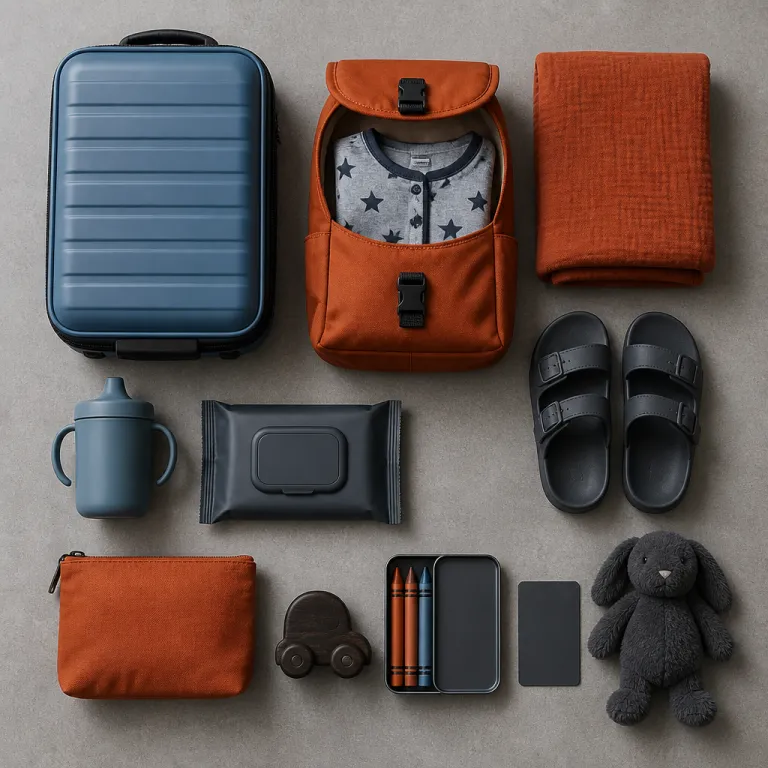
Why the first 30 minutes of a hotel arrival with children matter
The hotel check in for a family with children is not a formality, it is a stress test. Those first 30 minutes of a hotel arrival with children quietly decide whether your stay will feel like a holiday or a hostage situation, because the entire family arrival sequence either lowers everyone’s shoulders or winds them tighter. When parents have been managing family travel delays, hungry kids and a shifting nap schedule, the way a hotel, its front desk and its lobby respond becomes the clearest expression of the property’s values.
Luxury hotels have perfected the adult arrival experience with champagne, tours and long conversations about the spa, while families usually need something very different from the moment guests arrive with strollers and car seats. The best family friendly hotels understand that the priority is speed, clarity and comfort, so they design a check in process that gets a key in your hand, a hotel room ready and a quiet corner for the kids within minutes. Research from J.D. Power’s North America Hotel Guest Satisfaction Index has repeatedly shown that a smooth arrival and check in is one of the strongest predictors of overall guest satisfaction, which means that for families, those first minutes are not just emotional but measurable.
Think of the lobby as the first real room your family occupies, because this is where kids decide whether the hotel feels friendly or forbidding. A marble hall with nowhere to sit and nothing to touch tells young guests they are an afterthought, while a small play corner, low seating and a discreet snack station opens a window into a genuinely kid friendly philosophy. For couples who travel with children but still want a premium experience hotel environment, those first visual cues at check in quietly signal whether this will be a relaxed stay or a constant negotiation.
Designing a family friendly check in that actually works
A truly family friendly check in starts long before the front desk, because the smartest hotels treat pre arrival planning as part of the core guest experience rather than an optional courtesy. When you can share guest preferences through a detailed form on the hotel website or via targeted arrival email communication, the team can prepare the right room configuration, arrange early check options and stock the minibar with kid friendly snacks instead of guesswork. For parents, this kind of thoughtful pre arrival contact turns a generic hotel stay into something that feels tailored, efficient and calm.
Look for hotels that offer secure online check in for families, since this allows you to complete formalities while one parent is still in transit or managing kids in the car. When travel hotels combine online check in with strong property management systems and responsive guest messaging, they can assign connecting rooms, confirm cribs and ensure the hotel room is ready at the promised time. Loews Hotels, for example, has built its family program around guaranteeing connecting rooms in advance, and the brand has reported that this policy significantly reduced front desk negotiation at arrival and cut average family check in time, which removes one of the biggest arrival experience stress points for parents who refuse to sleep next to a cot in the corner again.
The best hotel arrival routines for families are almost invisible, because everything simply appears where and when it is needed. To make this easier to visualise, imagine an ideal family arrival timeline:
- 48–72 hours before arrival: the hotel sends a concise pre arrival email and confirms room configuration, crib needs and approximate arrival time.
- Day of travel: online check in is completed on a phone, and guest messaging is used to update the hotel about delays or early arrival.
- First 10 minutes in the lobby: one parent checks in while the other settles the kids in a small play corner or soft seating area.
- Within 30 minutes of arrival: the family is in the room, with a welcome amenity for kids already waiting, breakfast times clearly explained and child sized portions highlighted on room service menus without forcing anyone onto a tired kids menu cliché.
If you are loyal to a brand, pairing these practices with a programme that actually rewards families, such as the options analysed in this guide to hotel loyalty programs for families, can make every future arrival smoother.
From lobby theater to child focused calm: rethinking the arrival experience
Many luxury properties still stage an elaborate lobby performance for arriving guests, yet that theater rarely suits a family with tired kids and too many bags. Parents do not need a tour of every restaurant and pool in the hotel at check in, they need a fast key, a quiet lift and the certainty that the room is ready for naps or baths. Industry surveys from organisations such as the American Hotel & Lodging Association have noted that families consistently rate speed of check in and clarity of information as more important than welcome rituals, which underlines how crucial it is to shift from spectacle to service.
Omni Hotels has taken this seriously with its Omni Kids program, which starts the stay with a dedicated kid friendly arrival experience across more than fifty properties, including welcome gifts featuring mascot Ollie that are handed to children quickly and without fuss. Internal reporting from the brand has highlighted that families enrolled in the programme show higher repeat stay rates, suggesting that this kind of focused welcome tells families that kids are recognised as primary guests, not accessories, and it allows parents to complete the check in while little hands are occupied. Other travel hotels are redesigning their lobbies to include low tables with colouring materials, small reading nooks and soft seating that opens a window onto local culture instead of a sterile waiting area.
For couples who blend business and family travel, the contrast between an adult focused lobby and a genuinely family friendly space becomes even sharper. Properties that can handle both modes gracefully, such as those highlighted in this feature on when business travel becomes a family trip, usually invest in flexible seating, clear zoning and staff training that prioritises swift, calm arrivals. In these hotels, the front desk team uses guest messaging tools to confirm arrival time, offers early check options when possible and ensures that the first 30 minutes feel like a soft landing rather than a corporate procession.
Personalised pre arrival planning: the quiet power move for parents
The most effective way to transform a hotel check in with children is to treat pre arrival planning as a collaborative design session between parents and the hotel. Before guests arrive, the property can send a concise arrival email that invites families to share guest preferences such as nap schedules, dietary needs, stroller storage and ideal breakfast times. When parents respond with this level of detail, the hotel can align room assignments, room service capabilities and even housekeeping timing with the natural rhythm of the family.
Advanced property management systems now allow hotels to tag profiles with family travel notes, so that returning guests are recognised and their previous choices are respected without another long conversation at the front desk. A couple who always requests a quiet room away from the lift, a cot and a mini fridge for milk should find those elements already in place, because the experience hotel has learned from earlier stays. This is where guest messaging shines, since a quick message on the day of the hotel arrival can confirm early check possibilities, clarify parking details and reassure parents that everything is ready.
Thoughtful hotels also use their hotel website to outline exactly how they handle families, from kid friendly pool policies to realistic check in time expectations. When this information is transparent, parents can plan snacks, naps and screen time around the likely room readiness, which dramatically reduces tension in those first minutes. For deeper inspiration on how properties weave local culture into the children’s programme from the moment kids step through the door, explore this guide to hotels where local culture is the kids programme, and notice how often the story begins with the lobby rather than the kids club.
Inside the room: setting up the stay before the key turns
Once the key card touches the lock, the hotel room becomes the entire universe for a travelling family, so what parents and kids see in the first seconds matters more than any later upgrade. A room that is already configured with the right number of beds, a safely assembled crib, blackout curtains drawn for nap time and a small welcome for children tells guests that their needs were anticipated. When hotels get this right, the hotel check in family children arrival experience feels like walking into a thoughtfully prepared home rather than a neutral space waiting to be negotiated.
Premium family friendly hotels often coordinate between property management, housekeeping and room service to ensure that milk, fruit and simple snacks are waiting, because hungry kids rarely have the patience to wait for a full restaurant breakfast. Parents notice when the wardrobe opens a window onto clever storage for strollers and suitcases, when plug points are safely positioned, and when the bathroom is stocked with child appropriate amenities. These details turn a standard hotel stay into the best kind of family travel base, where adults can relax and kids can explore without constant supervision.
Some hotels now use guest messaging to check in again about thirty minutes after guests arrive, asking whether the room suits the family and whether anything needs adjusting. This small gesture respects the reality that even the most careful pre arrival planning cannot predict every preference, and it gives parents a low friction way to request extra towels, a different pillow or a change to breakfast timing. Over multiple stays, this feedback loop helps the experience hotel refine its approach to families, so that each arrival experience becomes smoother, faster and more aligned with how real families actually move through a space.
FAQ: hotel arrival with children
How early should we share our family’s preferences with the hotel ?
Send your family’s guest preferences as soon as you confirm your booking, ideally at least a week before travel. Use the hotel website form or reply to the arrival email to outline nap times, dietary needs, room configuration and any accessibility requirements. This gives property management and the front desk équipe enough time to coordinate room assignments, early check options and kid friendly amenities.
What can we reasonably expect from a family friendly check in ?
A genuinely family friendly check in should prioritise speed, clarity and comfort over lobby theater. You can reasonably expect a streamlined check process, a room that is ready as close as possible to the stated time, and staff who acknowledge kids as guests rather than distractions. Many of the best hotels will also offer small welcome items for children, clear information about breakfast and flexible solutions if your room is not yet available.
Is online check in useful for families travelling with children ?
Online check in is particularly helpful for families, because it allows one parent to complete formalities while the other manages kids. When hotels combine online check in with strong guest messaging, they can confirm arrival time, arrange early check where possible and ensure that key cards are ready when you reach the front desk. This reduces waiting in the lobby and shortens the gap between hotel arrival and settling into the room.
How can we make a late night arrival easier on our kids ?
For a late hotel arrival, contact the property during pre arrival planning to request that the room be fully set up for sleep, with blackout curtains drawn and any cribs or extra beds already made. Ask whether a simple cold breakfast box or light snacks can be placed in the room, so hungry kids do not have to wait until morning. When guests arrive after bedtime, a quiet, ready room can salvage everyone’s rest and set a calmer tone for the rest of the stay.
What should we look for in a lobby when choosing a hotel for our family ?
When evaluating hotels for family travel, pay close attention to the lobby layout and atmosphere. A space with low seating, a small play corner, relaxed staff and clear signage usually signals a genuinely kid friendly approach, while a silent marble hall can indicate that children are not central to the guest experience. Since the lobby shapes the first 30 minutes of your stay, its design often predicts how the rest of the property will treat families.