Tech-forward family hotels: how smart rooms reshape family travel
When hotel technology finally understands family rhythms
The idea of a tech-forward family hotel room can sound like marketing jargon, yet it reflects a real shift in modern family travel. Luxury properties are finally designing connected rooms around the reality that young children unravel if bedtime slips much past seven, and that change transforms how parents plan trips. The best hotels now treat an intelligent, app-enabled room as essential infrastructure for families, not a novelty for gadget fans.
In New York, the Intelity platform quietly powers this change in at least one high-end family hotel, where smart room controls link to FreshBed climate-regulated mattresses to stabilise sleep for jet-lagged kids. That integration, first rolled out at RH Guesthouse in the Meatpacking District and highlighted in hospitality trade coverage and vendor case studies, shows how serious the upscale hotel segment has become about sleep quality for every guest, not just executives. Industry research supports this focus: for example, a 2022 Hilton survey reported that 80% of travellers say a comfortable bed and room environment are the most important factors for a good hotel stay, giving hotel technology clear data to justify investing in families rather than only in business suites.
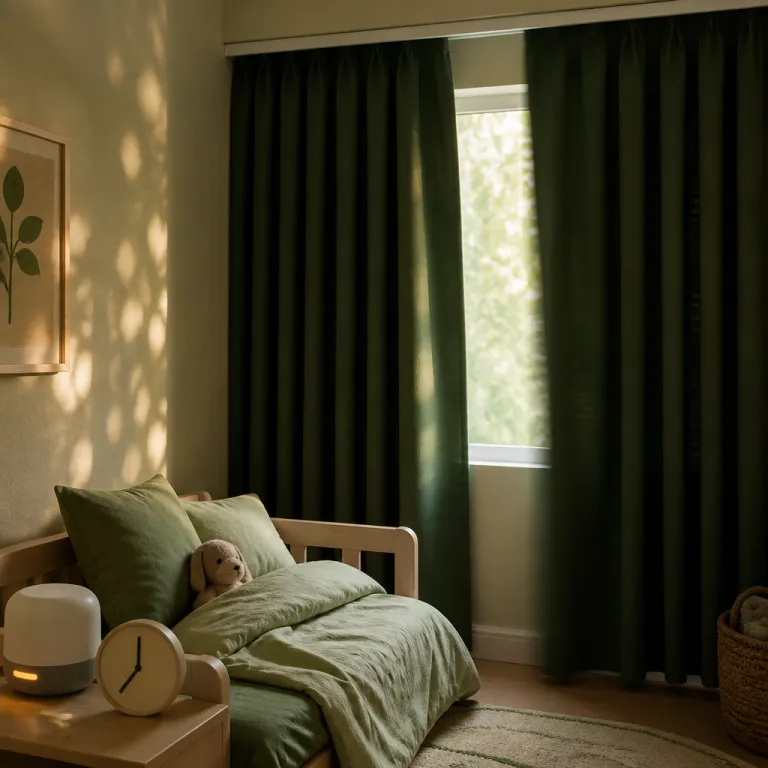
For parents, the real luxury is predictability during family travel, not another marble lobby. App-based controls let guests dim lights, lower blackout blinds and set white noise in the living room area without leaving the bed, which helps keep evening routines intact even after a long trip. One parent described arriving with a jet-lagged three-year-old and being able to “shut everything down from my phone in 30 seconds,” turning a potential meltdown into a calm bedtime. When a hotel lets both parents access those settings from their own phones, it respects how modern families travel and share the mental load.
Smart check in, smarter room layouts for families
Before you even see the room, the most thoughtful family-friendly hotels use pre-arrival questionnaires and mobile check-in to map your family rhythms. Parents can request a room near the elevator but away from late-night bar areas, or ask for connecting rooms that create a private living room-style space between sleeping zones for kids. This kind of hotel technology turns a generic floor plan into a tailored base for family vacations.
Look for apps that allow both parents to hold digital keys, so no one is stranded in the corridor with tired kids and a stroller. The best systems let guests share preferences with the hotel, from extra storage space for travel cribs to grab bars in the bathroom for grandparents travelling with young children. When a property gets this right, it feels like the room already knows your child’s sleep schedule and has been quietly prepared for that reality.
Layout matters as much as software for any family hotel that claims to be kid-friendly and genuinely supportive of exhausted adults. Sliding doors or curtains between sleeping areas and common areas mean parents can read while kids sleep, and clever charging stations near both adult and child beds keep baby monitors and tablets powered without a tangle of cables. For a sense of how luxury properties balance elegance with practicality, study refined yet family-focused hotel options in Las Vegas, where space planning has become an art form for relatives travelling together.
Kids’ clubs, wearables and the line between safety and surveillance
Once the room is dialled in, attention shifts to the spaces where kids actually burn energy. High-end resorts now equip kids’ clubs with check-in kiosks that log allergies, nap times and authorised pick-up adults, which helps staff treat your children as individuals rather than wristband numbers. For parents, the most reassuring systems send discreet notifications when kids move between activity areas, without turning the day into a stream of alerts.
Some large beach hotels use GPS wristbands for older children, allowing staff to see whether a child is in the pool area, the games room or organised sports on the sand. Used well, this technology-first approach lets parents stay connected enough to relax with a book while kids roam within supervised common areas. Used badly, it can feel like surveillance, so ask how long data is stored, who can access it and whether tracking is limited to on-site safety rather than broader profiling of family travel patterns.
Transparency is the marker of a truly family-friendly resort that respects both safety and privacy. Staff should be able to explain exactly how kids’ club technology works, from check-in tablets to social-media-free photo sharing platforms that offer parents a glimpse of activities without broadcasting children’s faces. One family described a stay where the app crashed for half a day and staff immediately switched to manual sign-in and printed name lists, a small but telling example of a property that had planned for tech hiccups. For an example of a coastal property that balances old-fashioned play with modern systems, look at the way some historic beach hotels structure their kids’ programmes, such as the family-focused activities at Hotel del Coronado highlighted in guides to unforgettable family beach escapes.
AI concierges, entertainment and the screen balance question
Artificial intelligence has finally reached the lobby, and for once it can genuinely help parents. A well-trained AI concierge understands that a request for a crib usually means a need for extra storage space, blackout curtains and a quiet room away from event areas. When that same system can also flag restaurants with highchairs and kid-friendly menus within walking distance, it becomes a practical ally rather than a gimmick.
Voice-controlled assistants in rooms divide opinion among families, yet they can be powerful tools when designed with kids in mind. Parents can ask the system to lower lights, start white noise or schedule a wake-up that respects an early bedtime, all without fumbling for switches in an unfamiliar room. For older kids, curated streaming services with strong parental controls turn the living room area into a calm wind-down zone after a long day of sightseeing.
The risk is that family-focused hotel technology features simply add more screens to an already digital-heavy vacation. The best hotels counterbalance this by pairing in-room entertainment with offline experiences, from scavenger hunts in garden areas to cooking classes in common areas that pull kids away from tablets. When technology nudges families toward shared experiences rather than solo scrolling, it earns its place in the family travel toolkit.
How to choose a tech forward family hotel without losing your sanity
Choosing the right property starts long before you tap book now on a glossy website. Read past the marketing language and look for concrete details about hotel technology, such as app-controlled blackout blinds, multi-device charging stations and the ability to assign digital keys to both parents. These specifics matter more than vague promises of smart rooms or connected experiences for families.
Pay attention to how hotels talk about accessibility and safety, not just playrooms and pools. A genuinely inclusive family hotel will mention grab bars in bathrooms, step-free access to common areas and thoughtful lighting in corridors, which helps multi-generational families travel together comfortably. When a property also explains its data policies and how it protects children’s privacy, you are looking at a hotel that treats technology as a responsibility, not just a selling point.
Finally, use social media with discernment, focusing on detailed reviews from parents who travel the way you do. Look for comments about whether the room layout worked for early bedtimes, how responsive the app was during the trip and whether staff understood the difference between family-friendly and simply tolerating kids. For more seasonal strategy, guides to why shoulder seasons beat peak months for outdoor family hotels can help you time your vacation so that both the technology and the human service feel unhurried and genuinely attentive.
FAQ
How can I tell if a smart room is really suitable for kids ?
Check whether the hotel describes specific features that support family routines rather than just listing gadgets. Look for app-controlled blackout blinds, dimmable lights, multiple charging stations near beds and clear separation between sleeping and living room areas. Reviews from other parents will help confirm whether these systems actually work smoothly during a stay.
Is tracking technology in kids’ clubs safe for my children ?
Tracking tools such as GPS wristbands can increase safety in large resort areas when they are limited to on-property use and short data retention. Ask the hotel how long location data is stored, who can access it and whether it is ever linked to marketing or social media. A responsible family hotel will explain these policies clearly and allow parents to opt out when appropriate.
What should I ask about hotel technology before booking a family vacation ?
Ask whether both parents can access digital room keys, whether the app controls temperature, lights and blinds, and how maintenance is handled if systems fail during the trip. Clarify if there are grab bars and other safety features for grandparents or young children in bathrooms and common areas. You can also ask whether staff can manually override settings if the technology systems feel overwhelming.
Do AI concierges really help families travel more easily ?
AI concierges can streamline repetitive requests such as cribs, extra towels, bottle warmers and restaurant bookings with highchairs. When integrated with the wider hotel technology platform, they can also remember preferences across rooms and future stays, which helps frequent family travel feel more seamless. However, human staff should always be available for nuanced situations that algorithms may not understand.
Are smart beds and climate controls worth prioritising for kids’ sleep ?
Smart beds and precise climate controls can make a noticeable difference for jet-lagged kids and parents who value consistent sleep. Platforms such as Intelity, combined with climate-regulated beds from companies like FreshBed and installations at properties such as RH Guesthouse documented in hospitality press and vendor materials, show how the upscale hotel segment is investing in personalised sleep environments. If your toddler’s seven o’clock bedtime is non-negotiable, these features can be as valuable as extra space or upgraded views.